

RECENT POSTS


What Beginners Should Wear for Walking or Light Training?
Walking and light resistance training often serve as foundational activities for those beginning a new fitness journey.
While these movements are inherently straightforward, many beginners remain uncertain about the most suitable attire. Common questions arise about whether standard casual wear is sufficient, whether specialized technical gear is required, or how to select clothing that balances comfort with functionality.
This guide provides practical, evidence-based recommendations for selecting exercise apparel for low-impact training. Rather than focusing on aesthetics or athletic trends, the objective is to help you choose clothing that enhances physical comfort and fosters the consistency necessary to sustain a long-term active lifestyle.
Why Beginners Often Overthink What to Wear for Walking Workouts?
One reason beginners overthink clothing is the belief that exercise requires special outfits. Fitness marketing often shows people in technical gear, which can make it seem as though walking or light training requires the same level of preparation.
There is also fear of being underdressed or overdressed. You may worry about wearing too little, too much, or the wrong type of clothing, especially if you plan to walk in public or shared spaces.
Trends and online advice can add to the confusion. Different recommendations can make simple decisions feel complicated. Recognizing that these worries are common helps reduce their influence and makes it easier to choose practical options.
What Matters Most When Choosing Clothes for Walking or Light Training?
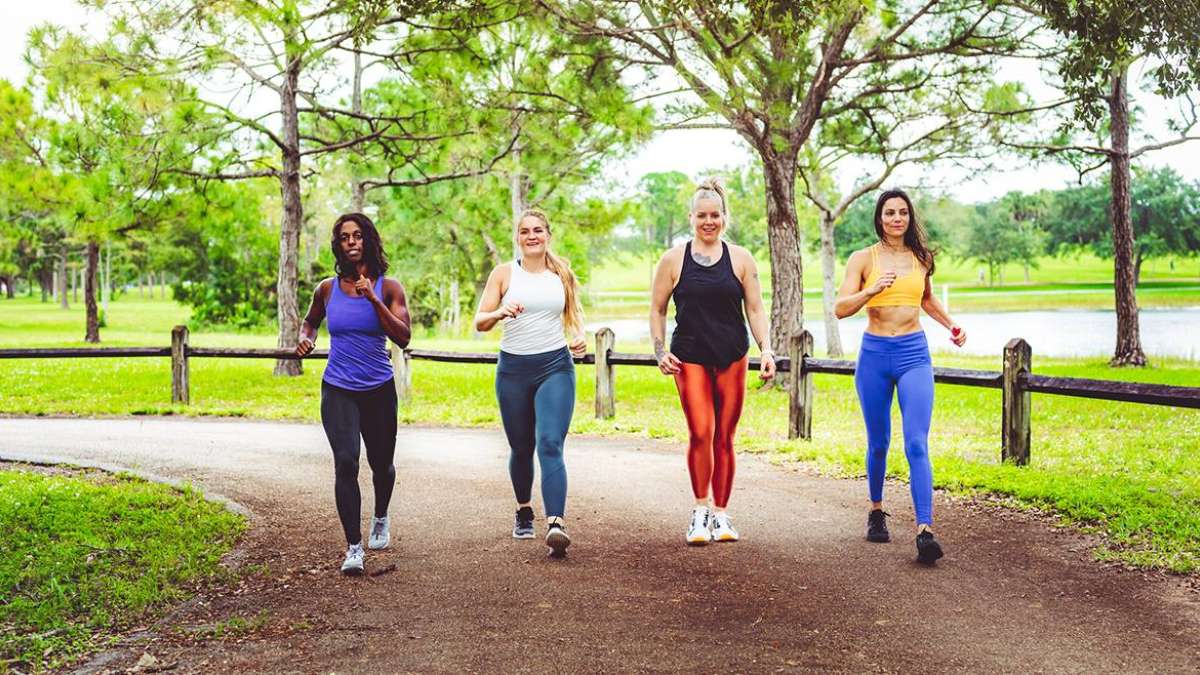
When selecting attire for walking workouts, prioritize the following factors:
-
Prioritize Comfort: Your clothing should facilitate a full range of motion without causing friction, pinching, or requiring frequent adjustments.
-
Ensure Ease of Movement: Because walking involves repetitive motion, restrictive or stiff fabrics can become a distraction and hinder your performance.
-
Value Simplicity: Accessible, functional gear removes psychological barriers to exercise. By focusing on performance rather than aesthetics, you can maintain a more consistent routine.
-
Utilize Moisture-Wicking Fabrics: High-quality, technical fabrics are essential for moisture management. These materials regulate body temperature and significantly reduce the risk of skin irritation and chafing.
-
Implement a Layering System: For outdoor sessions, dressing in layers allows for precise temperature regulation as your exertion levels or environmental conditions change.
These are the fundamental principles for selecting high-performance activewear.
What Beginners Should Wear for Walking or Light Training?
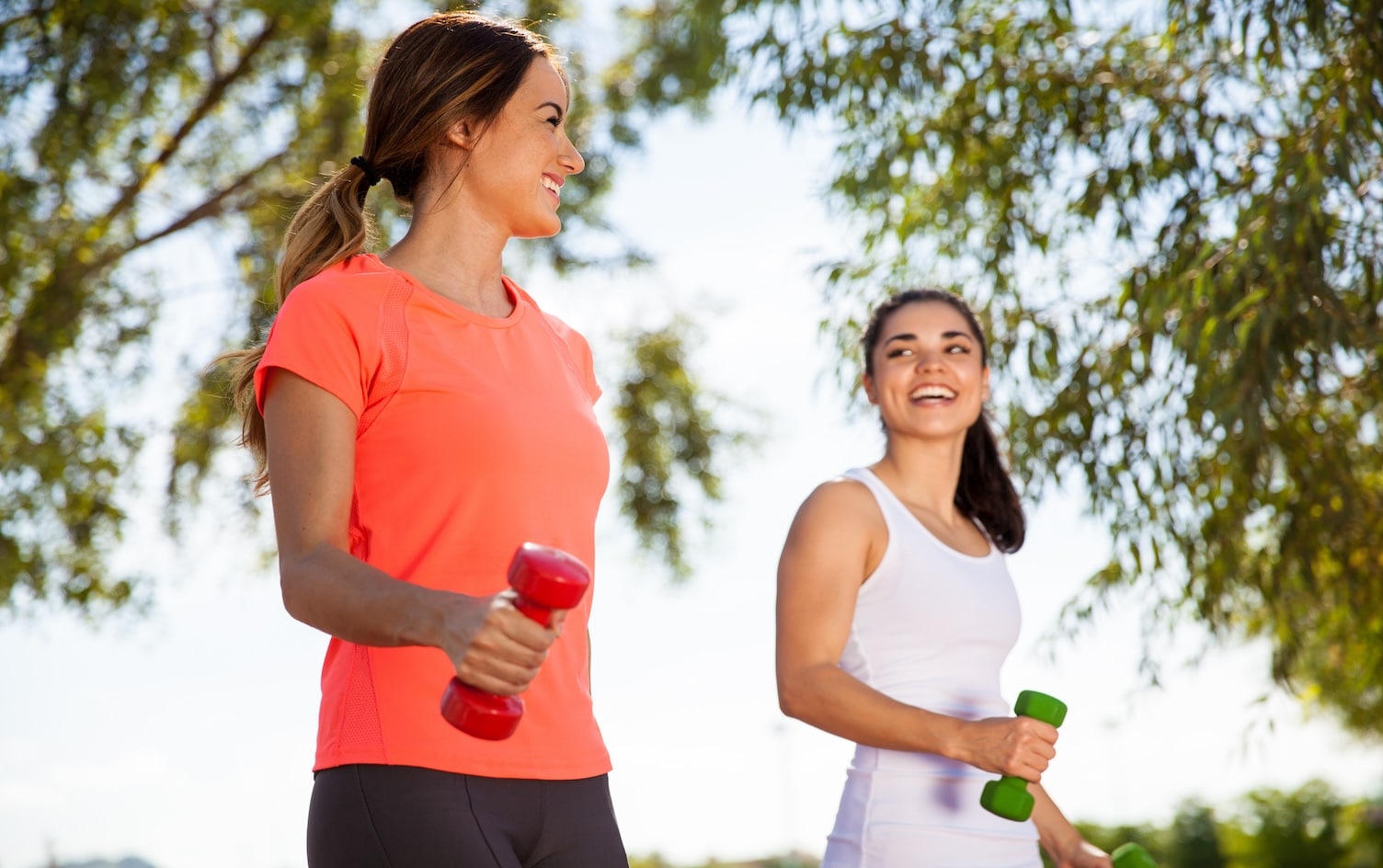
Here are some basic recommendations for beginners on what to wear when starting a walking or light training routine:
Tops – Keeping It Light and Comfortable
For tops, simple options work best. T-shirts, lightweight long sleeves, or comfortable athletic-style tops are all suitable for walking and light training.
Breathable fabrics can help you stay comfortable, but you do not need specialized materials. The most important factor is how the top feels against your skin and whether it allows easy movement.
Choose a fit that feels familiar. Some people prefer looser tops for a relaxed feel, while others like fitted tops that stay in place. There is no correct choice as long as the top does not distract you during movement.
Bottoms – Freedom of Movement Without Distraction
Bottoms should allow your legs to move freely. Leggings, joggers, sweatpants, or comfortable shorts are all appropriate for walking workouts and light training.
Waistbands that stay in place are important. Constantly adjusting clothing can break focus and make movement feel uncomfortable. Choosing bottoms that feel secure helps create a smoother experience.
Avoid heavy or stiff fabrics when possible. Lightweight, flexible materials tend to feel better during repeated movement and help walking feel more natural.
Footwear – Comfort and Support for Walking
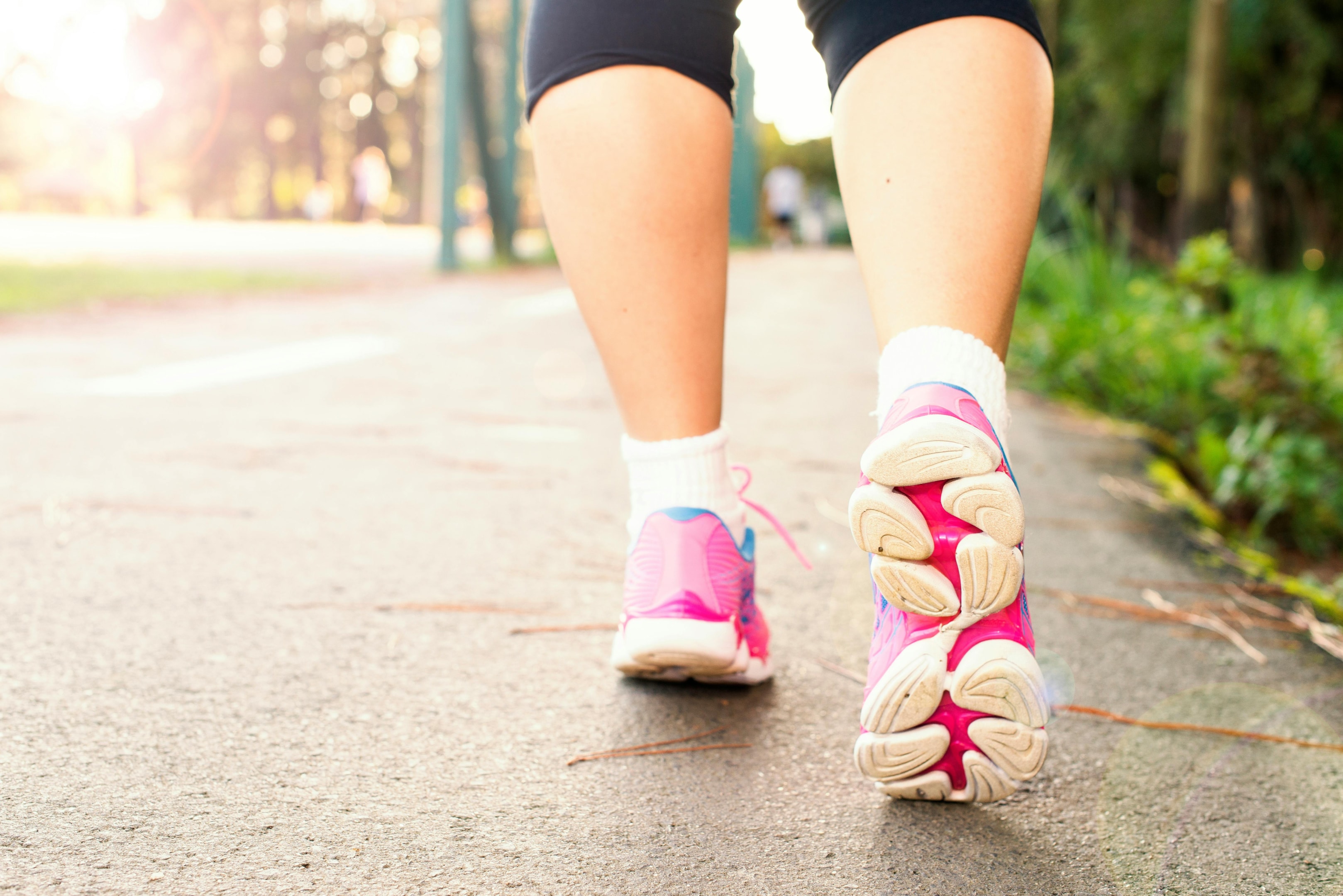
Footwear is one of the most important clothing choices for walking workouts. Many beginners assume they need new or specialized shoes before they can start. In most cases, this is not necessary.
Comfortable shoes you already own are often enough for walking and light training. Shoes should feel supportive, stable, and comfortable for the distance and terrain you plan to walk on.
If shoes cause discomfort or pain, that is a signal to adjust. Otherwise, keeping footwear simple helps remove delays and makes starting easier.
Layers – Adjusting for Weather and Comfort
Layers are helpful for walking, especially outdoors. Light layers allow you to adjust as your body warms up or as weather changes.
A light jacket, hoodie, or long-sleeve layer can provide warmth without adding bulk. Choosing layers that are easy to remove or tie around your waist helps you stay comfortable throughout the walk.
Avoid overcomplicating layers. The goal is comfort, not preparation for every possible condition.
What You Do Not Need for Walking or Light Training?
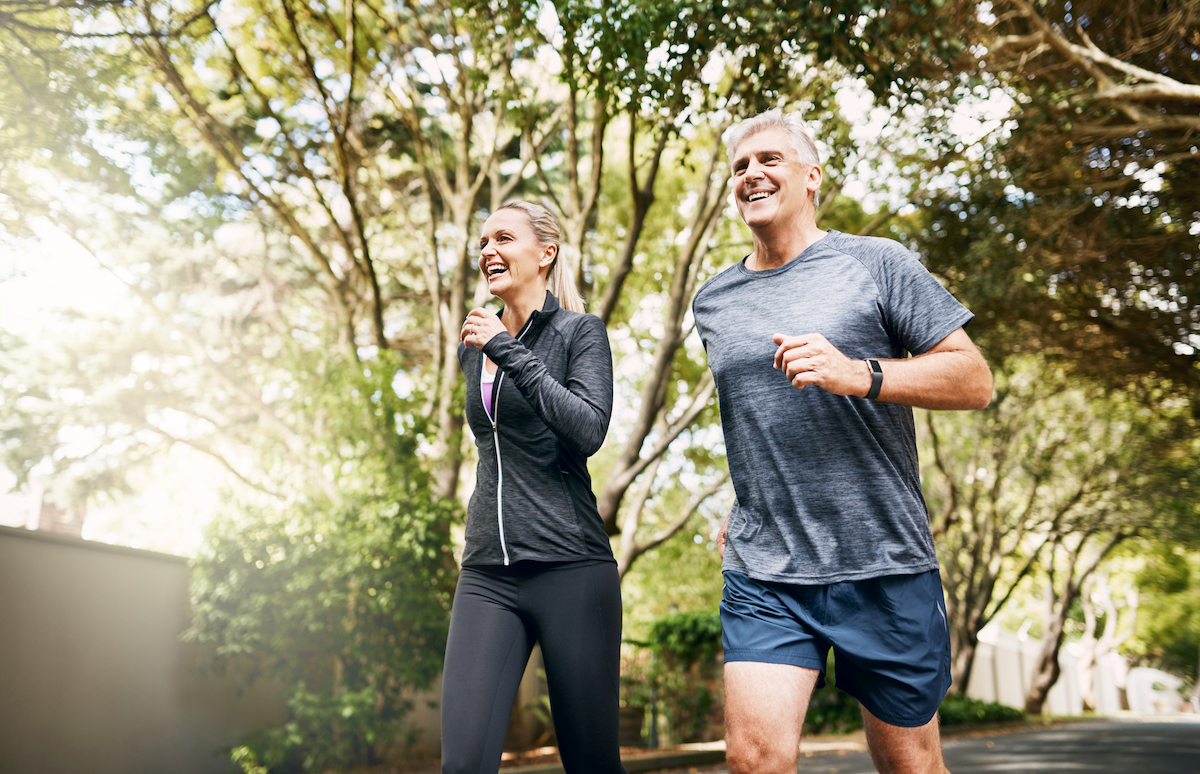
When starting a new fitness routine, many beginners feel pressured to invest in new outfits or specialized equipment. However, this is not necessary for walking workouts.
There's no need for expensive, trendy apparel, heavy gear, or performance-focused outfits. You can gain all the benefits of walking without needing matching sets or specific styles.
Simple, comfortable clothing is all that is required. By letting go of these unnecessary expectations, it becomes much easier to begin and maintain a consistent walking habit.
What Shoes Are Best for Walking When You Are Just Starting Out?

When you are just starting out, the best walking shoes are probably the ones already in your closet. Any comfortable, supportive pair that feels stable is perfectly fine for short walks and light training.
You do not need to buy specialized walking shoes right away. Simple footwear is all you need to get started without any extra hassle. Pay close attention to how your feet feel during and after your walks. If you experience discomfort or pain, it may be time to look for a different pair of shoes.
Otherwise, sticking with what you have allows you to focus on building a consistent habit instead of shopping for new gear.
How to Dress Comfortably and Confidently for Your Walk?
Starting a new fitness routine is all about feeling comfortable. Wearing clothes you already own and feel relaxed in can help ease any self-consciousness, making your workout feel more natural and enjoyable. Simple or neutral styles can also shift the focus away from how you look and onto the movement itself, helping you stay present and focused.
The key is to dress for yourself, not for others. When you prioritize comfort in your clothing choices, it becomes easier to build confidence and enjoy the process. Remember, fitness is about how you feel, not how you look, so choose outfits that support your journey and make you feel good.
Does What You Wear Affect Motivation and Consistency for Beginners?

What you wear directly influences how approachable exercise feels. Choosing comfortable clothing reduces physical distractions and allows for easier movement, which is essential for maintaining consistency.
When your attire feels supportive rather than restrictive, the mental demand of starting a workout decreases significantly. This psychological shift helps beginners view physical activity as a manageable part of their day rather than a daunting chore to be avoided.
Workout gear does not need to be flashy or high-tech to be effective. Its primary role is to remove friction and reduce pressure. When the process of getting dressed is simple and stress-free, the barrier to entry is lowered, making it much easier to stick to a routine.
Simplifying Walking and Light Training Through Thoughtful Clothing Choices
Clothing plays an understated yet significant role in establishing habits. When dressing is effortless, it reduces barriers and makes beginning any activity more straightforward.
By selecting comfortable, familiar attire, walking and light training become more accessible. This simplicity fosters consistency, which holds greater importance than making ideal choices.
Over time, clothing becomes less of a focus as movement becomes a routine part of life. Attire transitions into a practical, supportive element of the process rather than a point of concern.
FAQs
How can beginners dress for changing weather during outdoor walks?
Weather conditions matter. In warm weather or high heat, wear loose clothes, a tank top, and sun protection. On a cool day or in low light, add a lightweight fleece or long sleeve wicking tee. For rain or strong wind, a rain jacket or waterproof jacket works well as an outer layer.
What should beginners wear for short walks versus light training sessions?
For short walks, choose walking gear that prioritizes comfort and traction. Moisture wicking clothes, breathable leggings, or track pants paired with a moisture wicking base layer help wick sweat and protect joints. For light training with resistance bands or basic strength training, stretchy fabrics and a supportive sports bra allow safe movement without restriction.
Which fabrics help beginners stay comfortable and focused?
Beginners should avoid cotton and heavy cotton because they trap moisture. Polyester blends, merino wool, and moisture wicking base layers dry faster, regulate temperature, and improve personal comfort during varying degrees of activity.
What mistakes should beginners avoid when choosing walking outfits?
Avoid flip flops, poor traction shoes, and heavy layers. Dressing appropriately with stretchable fabrics helps beginners feel confident, stay focused, and support long term fitness goals.
Conclusion
Choosing what to wear for walking workouts and light training does not need to be complicated. Comfortable tops, flexible bottoms, supportive shoes, and simple layers are enough for beginners.
There is no need to invest in special gear or follow trends. Comfort, ease, and practicality support confidence and consistency far better than appearance.
When clothing feels simple and supportive, it becomes easier to focus on movement itself. That focus helps walking and light training become a sustainable part of everyday life.
Related post
08
Apr
08
Apr
08
Apr
07
Apr
06
Apr


