

RECENT POSTS


How to Exercise Without Feeling Intimidated?
Feeling intimidated to work out is far more common than most people realize. Gyms, workout videos, and even casual fitness conversations can make exercise feel like something reserved for confident, experienced people.
If you have ever hesitated to start because you felt out of place, self-conscious, or unsure of what to do, you are not alone. This article explains how to exercise without feeling intimidated in a calm, realistic way.
The goal is not to push past fear through force or confidence tricks. It is to reduce pressure, create safety, and build comfort gradually so movement feels approachable instead of overwhelming.
Is It Better to Exercise Alone or Around Other People When You Feel Intimidated?

Exercising alone can feel safer when intimidation is high. Privacy removes fear of judgment and allows you to move at your own pace.
Many people build early consistency more easily when they are not worrying about how they look or whether they are doing things correctly. That said, some people eventually feel encouraged by supportive environments. The key is choice.
You are not required to exercise around others to make progress. Starting alone and slowly introducing shared spaces later can help confidence grow without unnecessary pressure.
Why So Many People Feel Intimidated to Work Out?

One major source of intimidation is comparison. Fitness spaces often highlight people who appear strong, knowledgeable, and confident. When you compare yourself to them, it can feel like you do not belong or that you are doing something wrong before you even begin.
Fear of judgment is another common factor. Many people worry about being watched, making mistakes, or not knowing how equipment or movements work. This fear can make starting feel stressful rather than supportive.
Past experiences also matter. If you have ever felt embarrassed, pushed too hard, or criticized in an exercise setting, those memories can linger. Intimidation is often a protective response meant to avoid repeating uncomfortable situations.
Recognizing these reasons helps explain why feeling intimidated to work out is not a personal weakness. It is a natural response to unfamiliar environments and unrealistic expectations.
Why Feeling Intimidated Is Not a Sign You Are Bad at Exercise?
Feeling intimidated does not mean you are incapable of exercise. It usually means the environment or approach does not feel safe or familiar yet.
Confidence and ability are often confused. Confidence tends to grow after repeated exposure, not before. Most people who appear comfortable in fitness spaces became that way gradually through experience.
Exercise culture can make it seem like confidence should come first. In reality, comfort develops through small, manageable actions over time. Separating your current feelings from your potential helps reduce unnecessary self-judgment.
Feeling intimidated is not a sign to stop. It is a signal to adjust how and where you start.
How to Exercise Without Feeling Intimidated?

Here are some practical steps to help you overcome intimidation and start exercising with confidence:
Step 1 – Start in Environments Where You Feel Safe
The environment you choose can make a significant difference. Starting in a place where you feel comfortable reduces emotional pressure and makes movement easier.
For many people, this means beginning at home or outdoors. Stretching or moving on a familiar surface, such as using a basic yoga mat like the Solana yoga mat from Nomadiq Gear, can help create a sense of physical and emotional comfort without adding complexity.
There is no requirement to start in a gym. Choosing safety over exposure helps build consistency and confidence naturally.
Step 2 – Choose Familiar, Simple Movements
Complex routines can increase intimidation quickly. When movements feel confusing or technical, it is easy to feel out of place.
Simple, familiar movements such as walking, gentle stretching, or basic bodyweight exercises reduce cognitive load. You can focus on how your body feels rather than whether you are performing the movements correctly.
Familiarity builds comfort. Repeating simple movements helps exercise feel more predictable and less intimidating over time.
Step 3 – Lower the Bar for What Counts as Exercise
Many people feel intimidated because they believe exercise must look a certain way. Long sessions, intense effort, or perfect form can become unnecessary standards.
Short sessions still count. Light movement still counts. Exercise does not need to be impressive to be effective.
Removing performance expectations allows you to move without pressure. When exercise is about participation rather than appearance, intimidation decreases.
Step 4 – Stop Comparing Yourself to Others
Comparison is one of the fastest ways to increase intimidation. Everyone you see exercising has a different background, body, and experience level.
Comparing your starting point to someone else’s middle or end point creates unrealistic expectations. It also shifts focus away from your own experience.
Keeping attention on how movement feels for you helps maintain perspective. Exercise becomes personal rather than competitive, which supports confidence and consistency.
Step 5 – Build Confidence Through Repetition, Not Intensity
Confidence grows through repeated exposure. Each time you move in a way that feels manageable, you reinforce the idea that exercise is something you can do.
Intensity is not required for confidence to build. Showing up calmly and regularly matters more than pushing hard.
Over time, familiarity replaces intimidation. What once felt uncomfortable becomes routine simply because you have experienced it before.
What If Intimidation Keeps Coming Back Even After You Start?
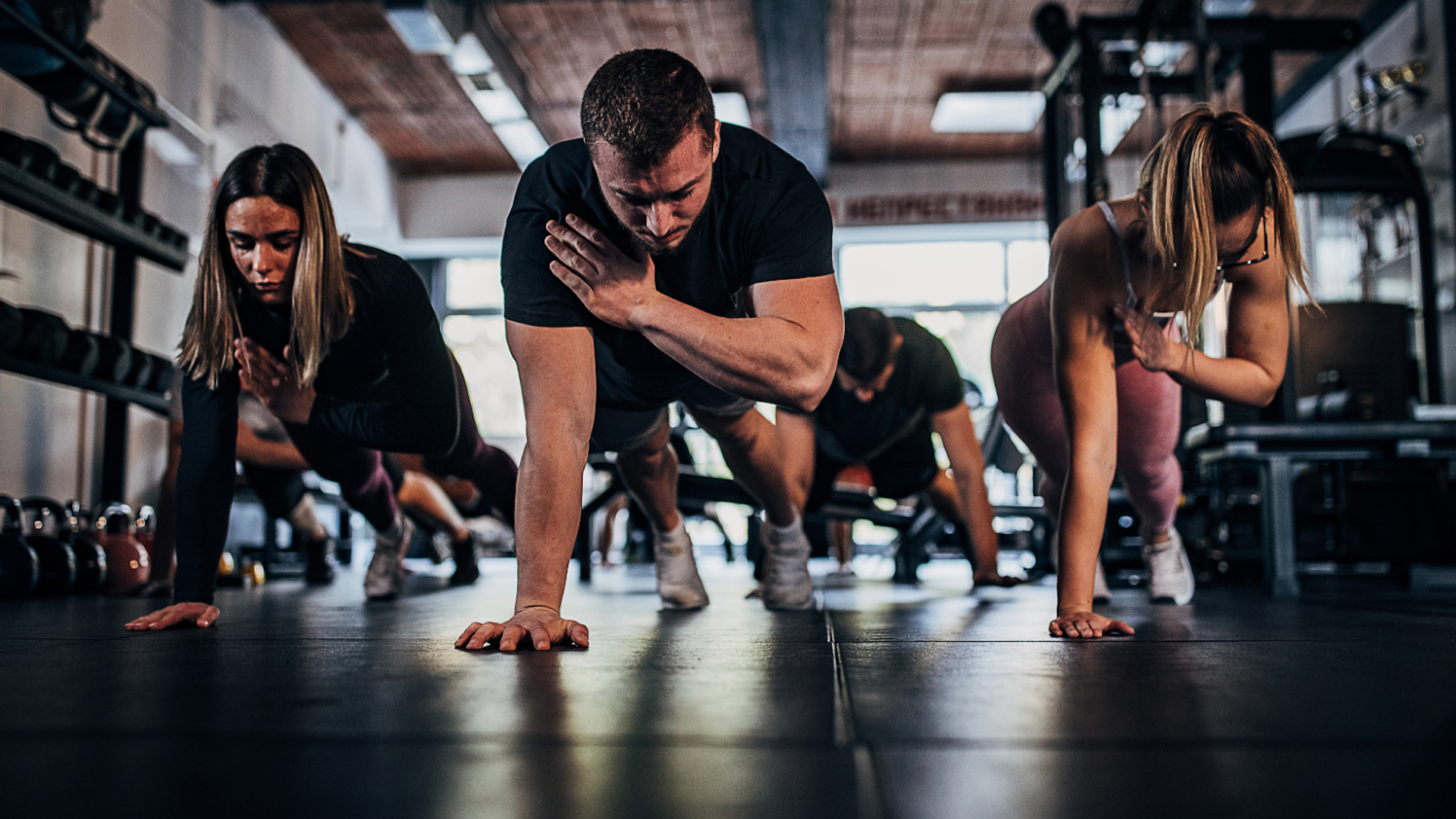
Experiencing a resurgence of intimidation does not indicate failure. Emotional responses often fluctuate due to stress, energy levels, or changing life circumstances.
Even seasoned exercisers encounter moments when movement feels challenging or unfamiliar. The objective is not to eliminate intimidation entirely but to develop strategies for managing it when it arises.
Adjusting intensity, opting for simpler movements, or changing your environment can be effective approaches. Responding with adaptability rather than giving up ensures continued progress.
Common Mistakes That Increase Intimidation
One common mistake is pushing too hard to prove something. Trying to keep up with others or force confidence often increases pressure and discomfort.
Choosing environments that are too challenging too soon can also backfire. Exposure without preparation can reinforce fear instead of reducing it.
Another mistake is treating discomfort as failure. Feeling awkward or unsure is part of learning something new. Viewing these feelings as temporary keeps intimidation from turning into avoidance.
How Long Does It Take to Feel Comfortable With Exercise?

Physical and psychological comfort during exercise is a gradual process rather than an immediate shift. It is cultivated through consistent exposure to manageable physical activity.
For most individuals, reducing exercise-related anxiety requires several weeks of low-pressure, routine movement rather than a singular breakthrough. Each session functions as a signal to the nervous system that physical exertion is not a threat, allowing familiarity to gradually displace apprehension.
While there is no universal timeline, comfort develops more efficiently when routines are incremental, predictable, and tailored to one's current energy levels and experience.
FAQs
How can I beat gym intimidation on my first day?
Gym intimidation is common, especially at a new gym. Make a simple game plan before you step foot inside. Go during off peak hours or mid morning when there are fewer people, more space, and a quieter area. Focus on your own goals and own progress, not others.
What are practical gym anxiety tips that actually help?
To reduce anxiety, wear workout clothes you feel comfortable in and start with cardio or familiar gym equipment. Avoid peak hours, use proper form, and remember most gyms are full of people with the same feelings. Small victories help build self esteem.
Should I bring someone with me to the gym?
Yes, bringing a friend, workout buddy, or personal trainer can help you overcome gym intimidation. A trainer can guide strength training, bench press, or bicep curls, while a workout buddy supports mental health and confidence.
What if the weight room feels overwhelming?
Start light and focus on your fitness level. Use fewer weights, avoid heavier weights at first, and try group classes or a fitness class. Many gyms offer supportive environments where every gym goer started as a single person feeling nervous.
Conclusion
Feeling intimidated by exercise is a common and understandable experience. It does not reflect your ability or potential but rather a sense of unfamiliarity and, at times, unrealistic expectations.
By selecting supportive environments, starting with straightforward movements, and setting achievable goals, you can create conditions that foster comfort and growth. Confidence is built through consistent practice rather than pressure.
Exercise does not have to remain intimidating. When approached with patience and gradual effort, physical activity can become a more approachable and enjoyable part of your routine over time.
Related post
08
Apr
08
Apr
08
Apr
07
Apr
06
Apr


