

RECENT POSTS


What Makes Workout Gear Comfortable for Daily Use?
Comfort is often underestimated when it comes to exercise. Many people focus on programs, schedules, and intensity while overlooking something more basic: how their clothing feels. Yet uncomfortable gear can quietly reduce consistency.
If something feels restrictive, heavy, or distracting, it becomes one more barrier between you and movement. Comfortable workout gear does not need to be complicated or technical. It simply needs to support your body, your routine, and your daily life.
This article explains what makes workout gear truly comfortable for daily use and why comfort plays a larger role in long-term consistency than most people realize.
Why Comfort Matters More Than Most People Think?

When clothing feels uncomfortable, your attention shifts. Instead of focusing on your workout, you adjust straps, pull at fabric, or feel distracted by stiffness. Small irritations add up.
Discomfort also increases resistance to starting. If you associate exercise with tight waistbands, overheating, or restricted movement, you are less likely to look forward to it. Over time, this can affect consistency.
Comfort supports habit formation. When your gear feels natural and easy to wear, it removes friction. The transition from daily life to movement becomes smoother.
There is also a difference between gym-only clothing and gear that works throughout the day. For many beginners, the most helpful clothing is versatile enough to wear during errands, work-from-home hours, or light activity. Practical comfort makes exercise feel integrated rather than separate.
What Actually Makes Workout Gear Comfortable?
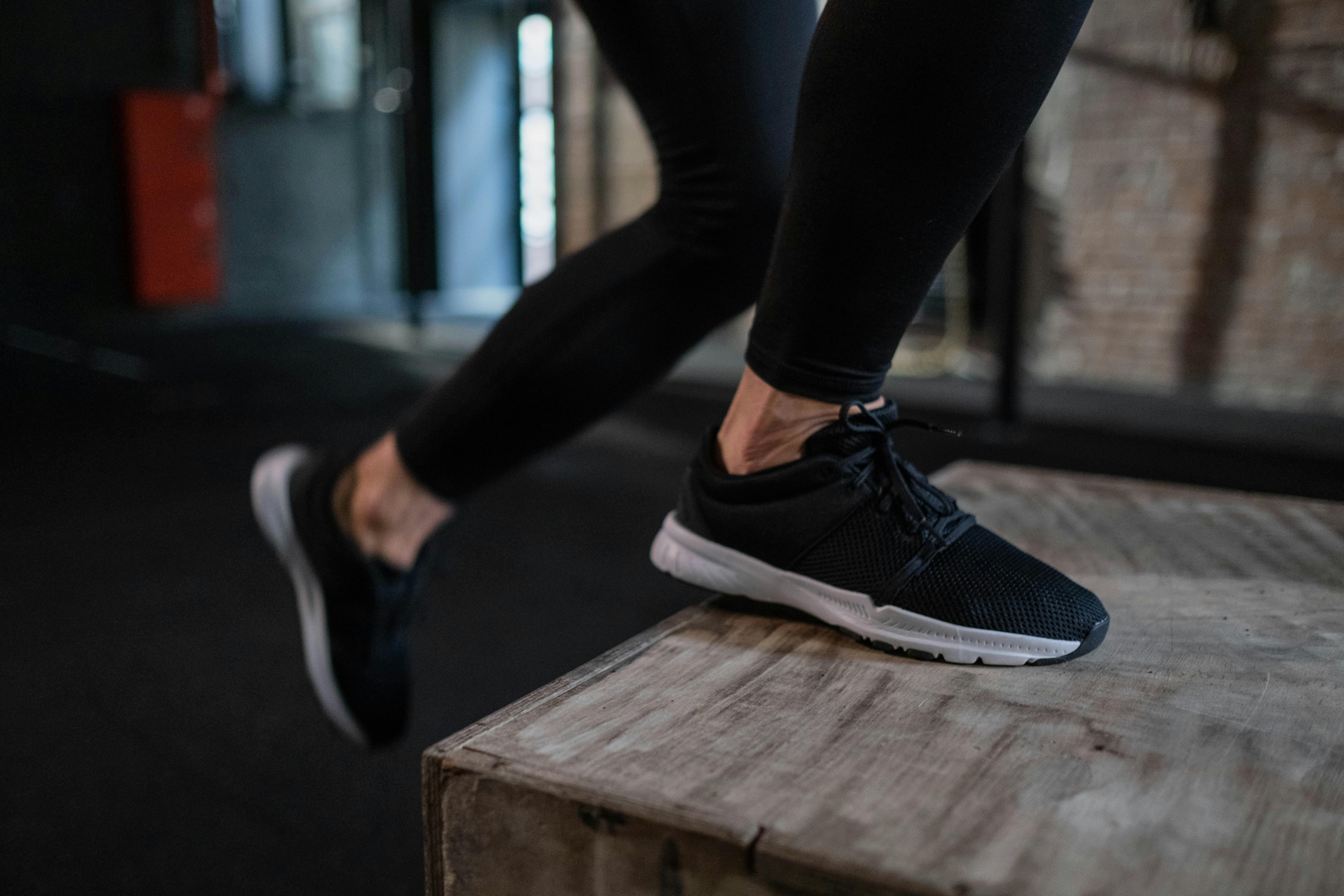
When it comes to workout gear, comfort is everything. The right gear can elevate your performance and keep distractions at bay. But what actually makes it comfortable? Let’s break it down:
Fabric and Breathability
One of the most important factors is fabric. Breathable materials allow air to circulate and help regulate body temperature. This reduces overheating and discomfort during movement.
Moisture control is equally important. Fabric that manages sweat effectively helps you stay dry and comfortable, especially during longer sessions or warm weather.
Heavy or stiff materials can feel restrictive. Lightweight fabrics that move naturally with your body tend to feel more comfortable for daily wear.
Fit and Freedom of Movement
Fit plays a major role in comfort. Clothing that is too tight may restrict movement and feel compressive in an uncomfortable way. Clothing that is too loose may bunch up or require constant adjustment.
A balanced fit allows full range of motion without distraction. Some people prefer soft, flexible options like the men’s soft knit elastic waistband lounge shorts from Nomadiq Gear for light activity and daily wear because they allow movement without stiffness.
Reducing friction is also key. Seams and edges should not rub or irritate during repeated movement. Smooth construction enhances comfort over time.
Weight and Flexibility
Lightweight gear often feels more natural for daily use. When clothing feels heavy, it can create subtle resistance to movement.
Stretch and flexibility are essential. Materials that adapt to different movements allow you to transition easily between activities. This is especially helpful for beginners who may mix walking, light strength work, and everyday tasks.
Non restrictive structure supports both exercise and casual wear. When clothing does not feel rigid, it becomes easier to wear it throughout the day.
Temperature Regulation
Comfort depends on climate. In warmer conditions, breathable and moisture-managing fabrics help prevent overheating. In cooler weather, layering becomes important.
Clothing that works well in layers provides flexibility. You can adjust based on indoor or outdoor conditions without changing completely.
Temperature regulation matters not only during workouts but throughout the day. Gear that supports comfort across environments increases practicality.
Durability for Repeated Use
Daily use requires durability. Comfortable workout gear should maintain its shape and softness after washing.
Fabric that stretches out or becomes stiff quickly reduces long-term comfort. Reliable materials support repeated wear without losing their feel.
Durability also supports consistency. When you trust that your gear will hold up over time, you remove the need for frequent replacements or adjustments.
Common Mistakes When Choosing Workout Gear
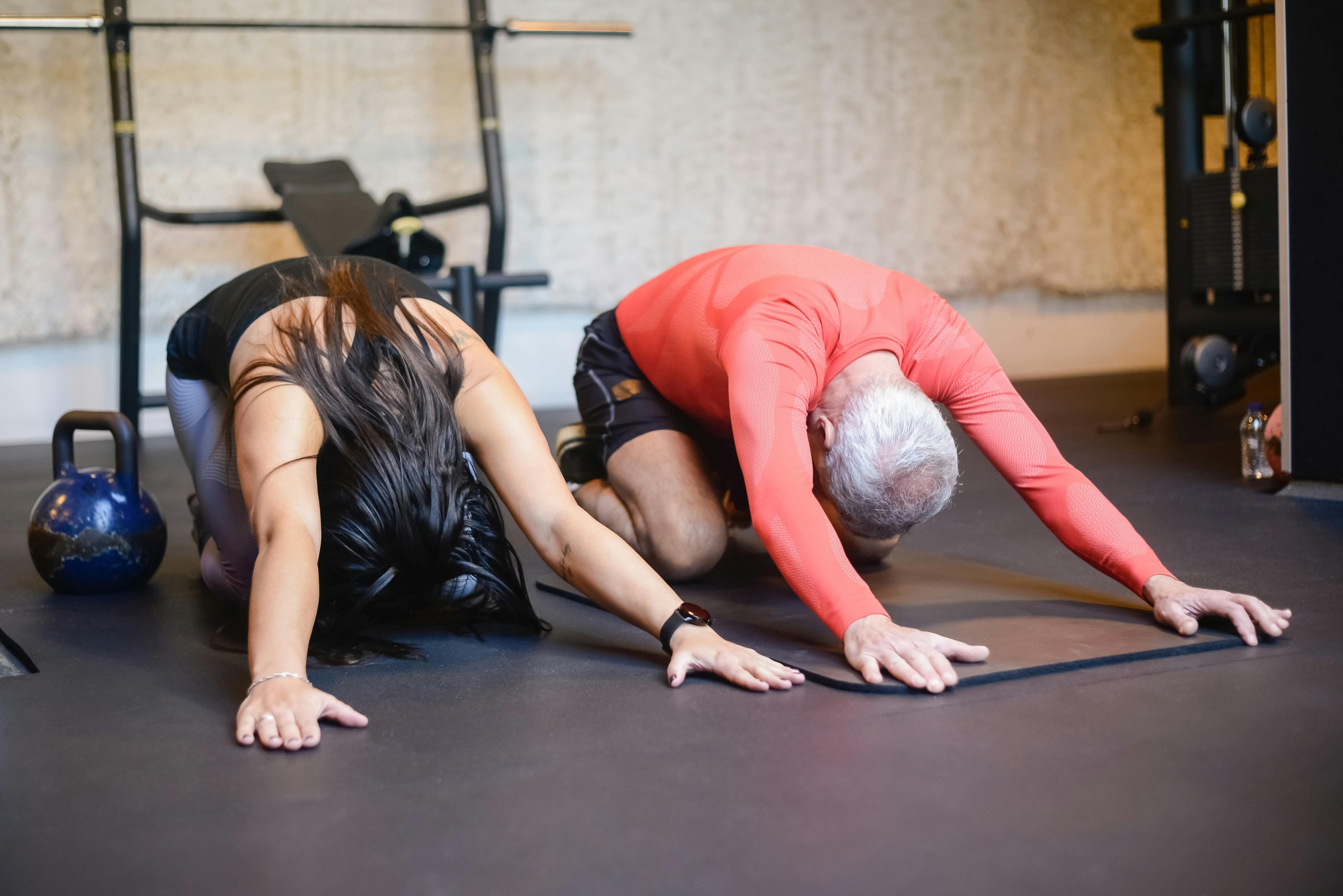
One common mistake is choosing clothing based solely on appearance. While style can boost confidence, it should not come at the expense of comfort.
Overly tight clothing is another issue. Compression can feel supportive for some, but excessive tightness may reduce freedom of movement.
Ignoring climate is also problematic. Wearing heavy fabric in warm weather or insufficient layers in cold conditions affects comfort and performance.
Finally, some gym-specific gear is not ideal for daily wear. Clothing designed only for high-intensity sessions may not feel practical for all-day use. Versatility often enhances comfort.
How Comfortable Workout Gear Supports Consistency?
Comfort reduces friction. When your clothing feels good, you are more likely to move without hesitation. You may take spontaneous walks or complete short sessions without needing to change completely.
The easier it is to transition into movement, the more consistent you can be. Small barriers matter. Reducing them increases follow-through.
Comfortable workout gear can also support confidence. When you feel physically at ease, your focus shifts to the activity itself rather than your clothing.
For example, breathable and versatile options found in collections such as Nomadiq Gear are designed with everyday practicality in mind. The goal is not to create pressure to perform, but to support movement in a way that fits real life.
How to Choose Gear That Fits Your Lifestyle?
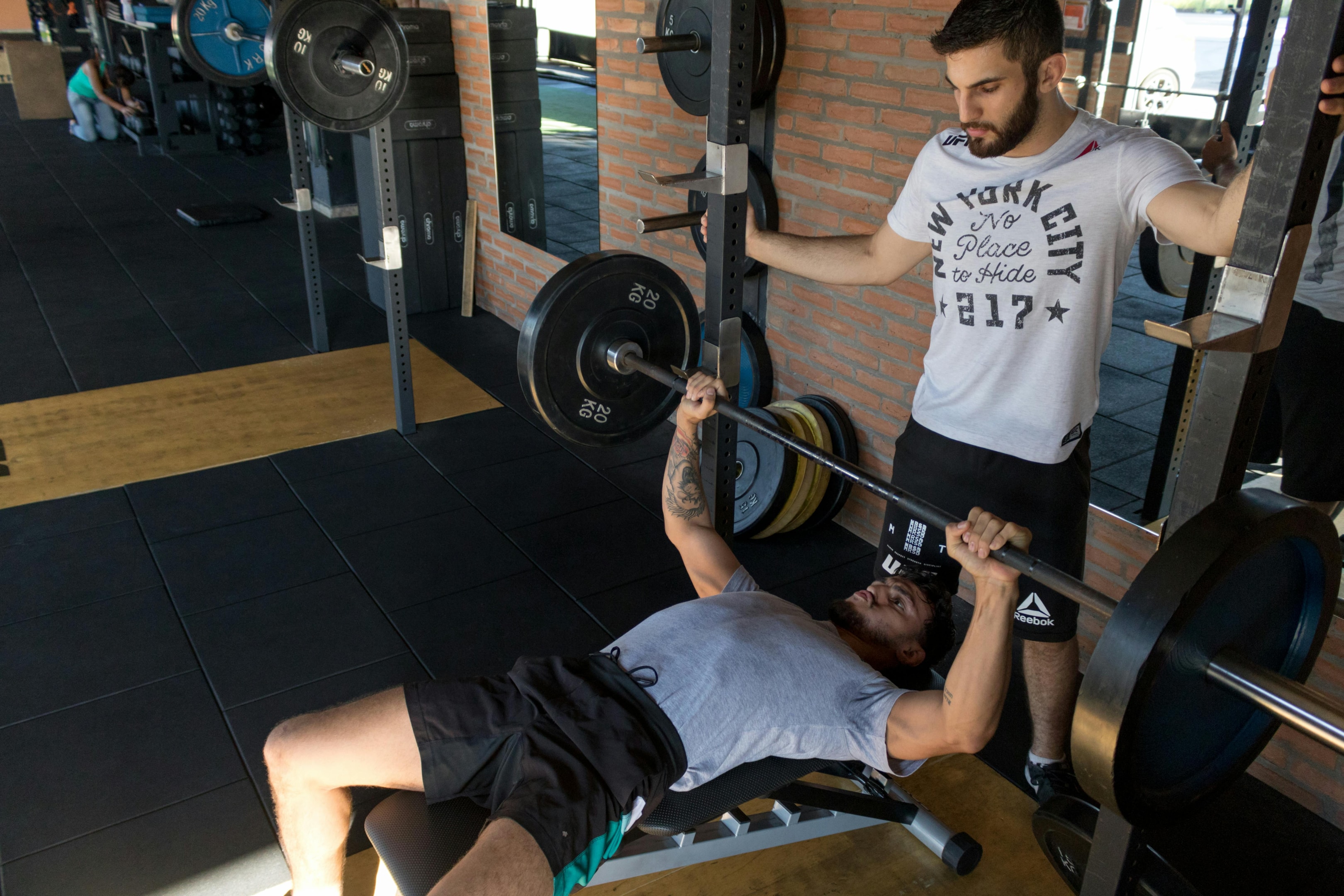
Start by considering where and how you exercise. If you primarily train at home, soft and flexible fabrics may be most helpful. If you move outdoors frequently, breathability and layering options become more important.
Think about your schedule. If you move between work tasks and exercise sessions, choose gear that blends comfortably into daily wear.
Simplicity often works best. A few versatile pieces that feel good and adapt to different activities are more useful than an extensive collection that rarely gets worn.
Comfort should align with your routine, not complicate it.
FAQs
How does fit affect everyday comfort?
A form fitting design with spandex ensures flexibility and healthy blood flow during strength training or cardio workout sessions. Some prefer a looser fit tank top or t shirts for staying cool and reducing chafing. The right sports bra and supportive gym wear improve pure comfort for an active lifestyle.
Are synthetic and natural fibers both useful?
Synthetic material offers moisture wicking properties, is incredibly durable, and often water resistant for outdoor activities. Natural fibers feel soft on sensitive skin but may absorb moisture instead of wicking sweat away from your skin.
What features improve daily use and outdoor performance?
Quality gym gear with uv protection, darker colors, and water resistant layers supports outdoor sports and outdoor adventures. Good athletic wear helps you stay focused, prevent bacteria growth, and enjoy everyday comfort in your workout wardrobe.
Why does material matter in workout clothes?
Material matters because moisture wicking fabrics and performance fabrics help wick away sweat and keep you cool. Moisture wicking materials made from synthetic fibers or blended synthetic and natural fibers absorb sweat without retaining moisture, reducing bacteria growth.
Conclusion
Choosing the right workout gear is not just about looking good, it is about feeling good so you can perform your best. Think of it as investing in your own consistency.
When your clothes are breathable, flexible, and fit just right, they stop being a distraction and start becoming part of your movement. You are no longer fighting with bunching fabric or irritating seams. Instead, you can focus purely on your form and push through that extra repetition.
By prioritizing comfort, you are not just buying clothes; you are removing a barrier to your fitness goals. When you feel good, you are more likely to show up, work hard, and make steady progress, one comfortable workout at a time.
Related post
08
Apr
08
Apr
08
Apr
07
Apr
06
Apr


