

RECENT POSTS


How the Right Clothing Can Remove Barriers to Exercise?
The right clothing for exercise can make starting and sticking to movement much easier. When your clothes feel uncomfortable, restrictive, or impractical, they create small but powerful barriers. You may hesitate, delay, or skip exercise altogether.
On the other hand, when your clothing feels comfortable, flexible, and easy to wear, it removes friction. You can move without overthinking it. For beginners especially, exercise is already a mental challenge.
The goal is not to optimize performance or follow trends. The goal is to reduce resistance. When the right clothing for exercise feels simple and supportive, it becomes one less excuse and one more reason to show up consistently.
Why Small Barriers Matter More Than You Think?
Most people assume they skip workouts because of a lack of motivation. Often, the reason is smaller and more practical.
If you need to change into uncomfortable clothes, search for clean workout gear, or adjust straps that do not fit properly, your brain registers that as effort. When effort feels high, avoidance increases.
Barriers do not have to be dramatic. Even mild discomfort can be enough to delay action. Removing these small obstacles makes movement feel more accessible.
Consistency grows when friction decreases.
What Makes Clothing a Barrier to Exercise?
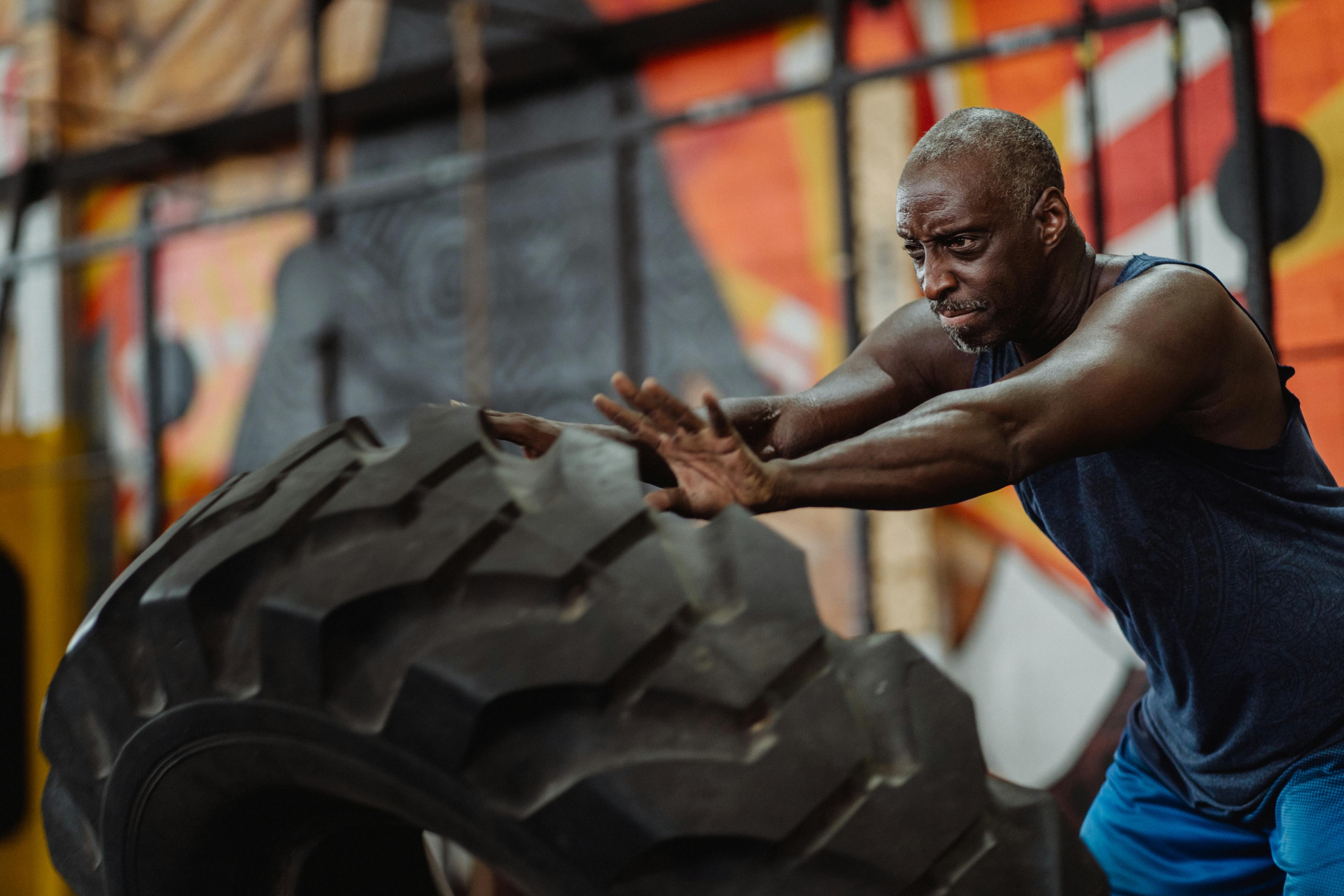
Clothing becomes a barrier when it creates physical or mental resistance.
Common examples include:
-
Fabric that feels itchy or heavy
-
Waistbands that dig in
-
Shirts that ride up during movement
-
Shorts that feel too tight or too loose
-
Shoes that cause discomfort
There is also a psychological element. If you feel self-conscious in your clothing, you may avoid certain movements or skip exercise altogether. The right clothing for exercise should feel neutral. It should allow you to focus on movement, not on adjusting your outfit.
How the Right Workout Clothes Reduce Friction?
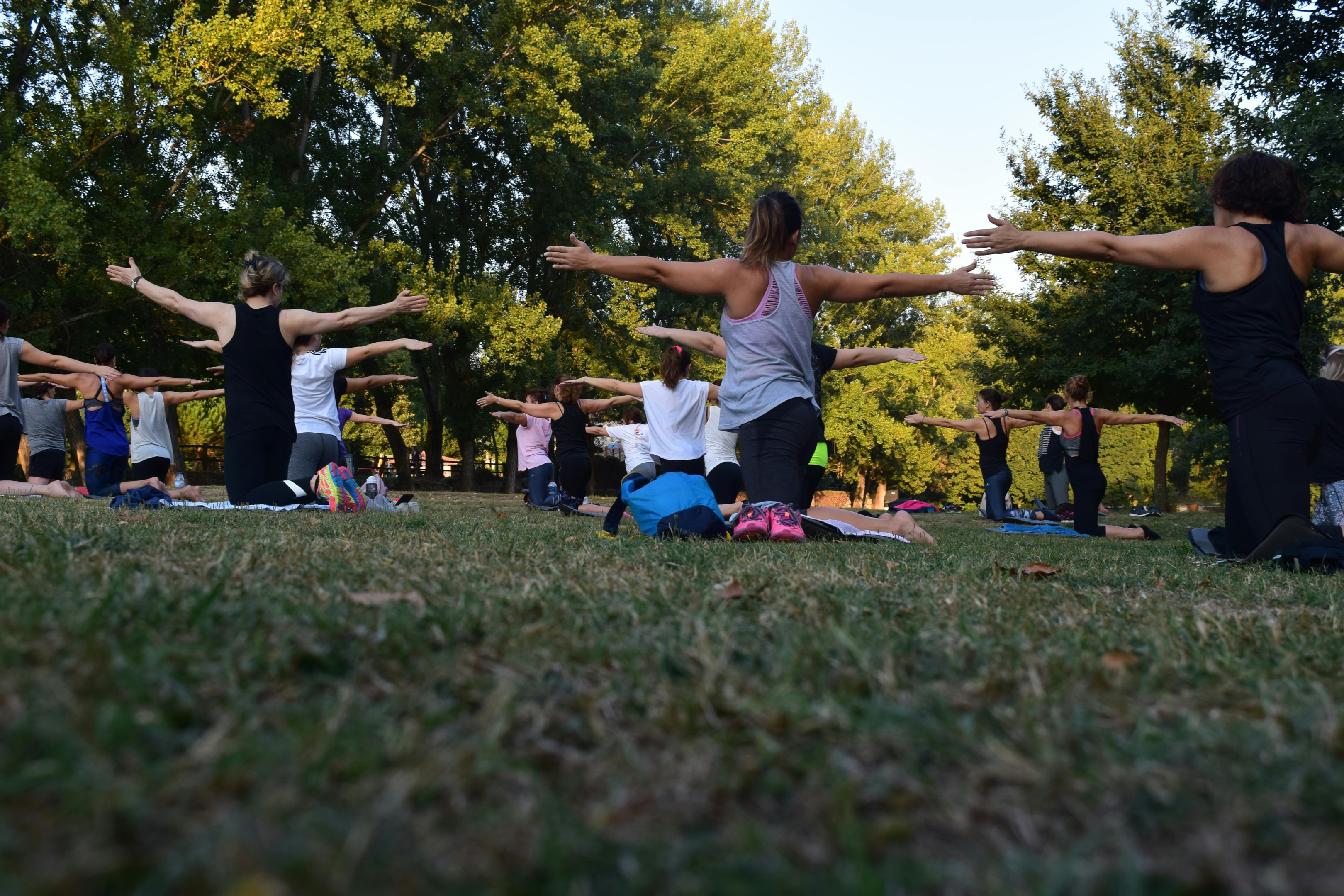
Choosing the right clothing for exercise can make a big difference in your comfort and confidence, helping you stay consistent with your workouts. Here are a few ways proper attire can help:
Comfort Reduces Decision Fatigue
When your workout clothes are comfortable and ready to wear, you eliminate one more decision from your day. This small detail removes unnecessary mental resistance, especially on busy days. Instead of debating what to wear or feeling uncomfortable in ill-fitting gear, you can focus on getting started.
Comfort doesn't require expensive brands; it just means choosing clothing that fits your body well and allows you to move freely, like well-fitted leggings or a breathable t-shirt. By reducing distractions, you can direct your energy toward your workout instead of your wardrobe.
Flexibility Supports Natural Movement
Stretchable, flexible fabrics are essential for supporting your body’s natural range of motion. Clothing that is too tight or restrictive can make simple exercises like squats or lunges feel difficult, which can be discouraging for beginners.
Well-designed workout gear helps exercises feel smoother and more natural. For example, leggings with good stretch or a top that doesn’t ride up can encourage you to keep going without distraction. The right clothing ensures your body feels unrestricted, so you can focus on each movement.
Breathability Helps You Feel Better During Movement
Breathable fabrics are key to staying comfortable during a workout. Materials that wick away sweat and allow airflow help prevent overheating and stickiness. When you are not focused on how hot or clammy you feel, you are more likely to stay present in the activity itself.
For example, a lightweight option like the Men’s Quick Dry Athletic Performance T-Shirt from Nomadiq Gear can feel easier to move in during light workouts or walks because it is designed to dry quickly and reduce cling.
Feeling physically comfortable makes early workouts more manageable, increasing the likelihood that you will repeat them.
Clothing and Identity: Why It Matters?

Believe it or not, what you wear can influence how you see yourself.
When you put on clothes that align with your goals, even in small ways, you can start to shift your identity. You begin to feel more like the person you want to be, someone who moves their body regularly.
This does not mean you need a whole new wardrobe. Just one or two go-to items can make a real difference. It is not about how you look; it is about reducing any hesitation to get started.
When your clothes make movement feel natural, exercise becomes a normal part of your routine instead of a big event you have to prepare for.
You Do Not Need a Full Workout Wardrobe
A common mistake beginners make is believing they need many new items before starting.
In reality, most people need:
-
One comfortable top
-
One flexible bottom
-
Supportive shoes
-
Optional light layer
That is enough.
Starting small reduces financial pressure and removes the idea that you must be fully equipped before you begin. Real life does not require perfection.
Choosing Clothing That Supports Consistency
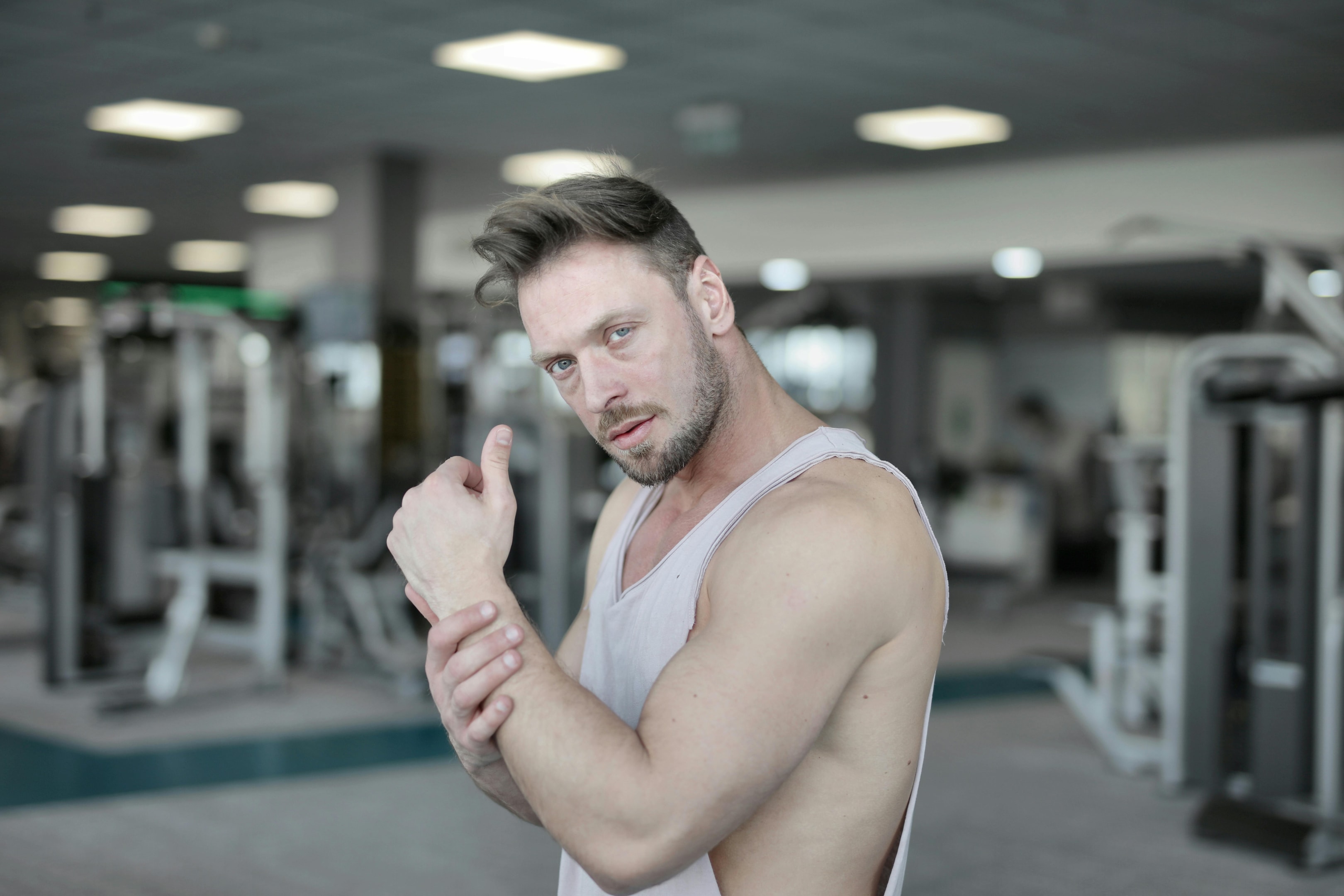
The right workout attire can enhance your confidence and help you stay consistent with your fitness goals. When selecting what to wear, consider the following factors:
Focus on Fit Over Trends
Comfortable, well-fitting clothing is more important than brand names or current styles. Tight, loose, or otherwise distracting garments can interfere with your movement and focus during exercise.
Test clothing by performing basic movements such as raising your arms, bending your knees, or walking. If it feels natural and unrestricted, it’s likely a good choice for supporting your routine.
Ensure Easy Accessibility
Keeping your workout clothes easily accessible can reduce barriers to starting. If your gear is tucked away in a drawer, it adds unnecessary steps.
Placing your clothing in a visible, convenient location, such as near your bed or bathroom, can streamline your preparation process. Minimizing setup time increases the likelihood of following through with your activities.
Opt for Versatile Options
Selecting clothing that transitions seamlessly between daily activities and light exercise can eliminate a common obstacle. Being able to go for a walk or stretch without changing outfits simplifies the process, making it easier to initiate movement.
Some individuals prefer compact, minimal gear that requires little storage or setup. Lightweight clothing and portable accessories, such as those offered by Nomadiq Gear, can provide flexibility for movement in smaller spaces. However, these are optional. The key is to prioritize ease and practicality.
The Psychological Barrier of “Looking Like a Fitness Person”
Many beginners feel they do not identify as fitness-focused. Wearing certain clothing can feel intimidating or performative.
The right clothing for exercise does not need to make you look like an athlete. It only needs to make you feel comfortable and supported.
Choose neutral, practical items that feel like you. When clothing aligns with your personality, you are more likely to wear it regularly.
Removing pressure about appearance makes movement more accessible.
How Clothing Impacts Different Types of Movement?
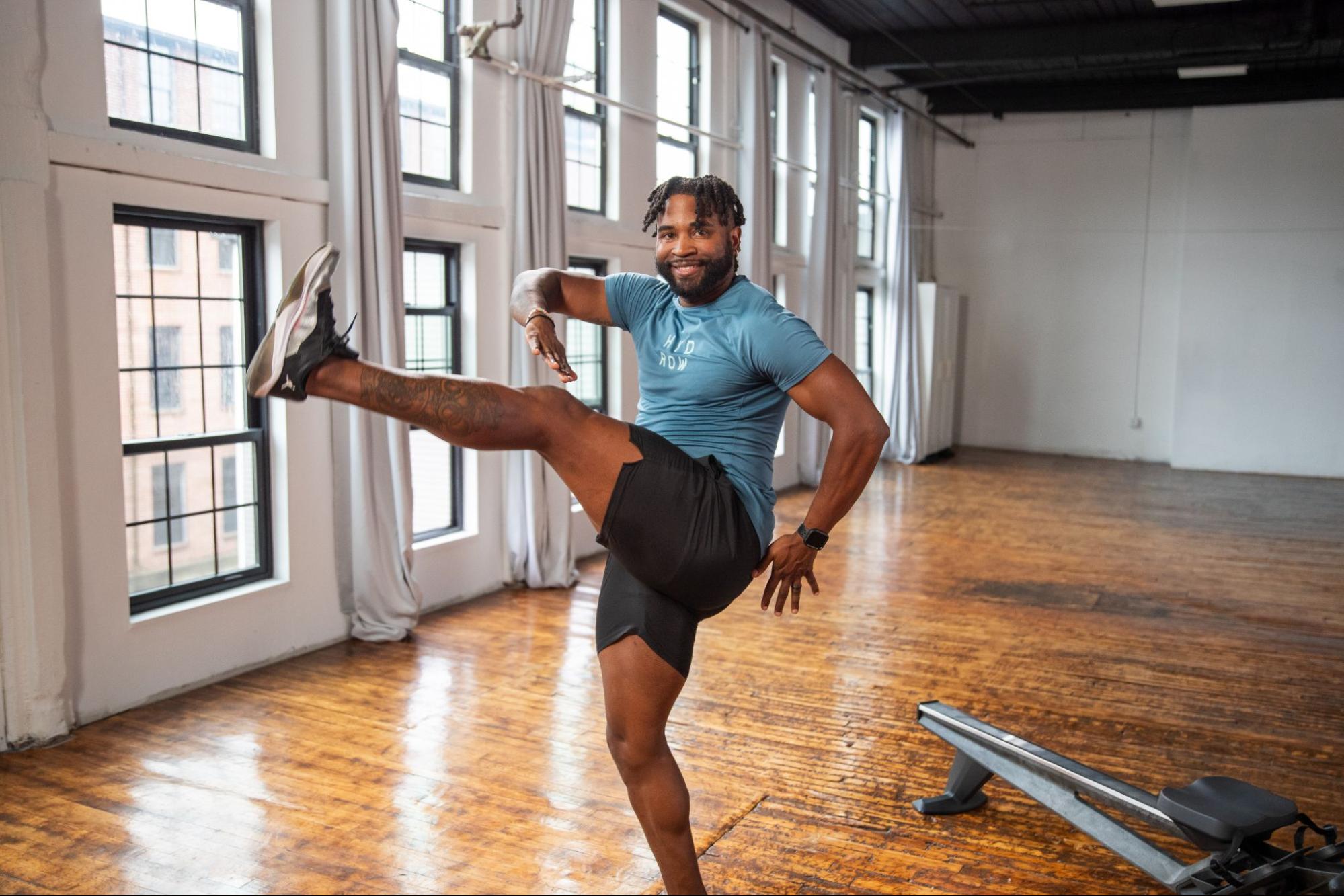
Here are some tips on how to choose the right clothing for different types of movement:
Walking
Comfortable shoes and breathable clothing are often enough. If walking feels easy to begin, you are more likely to do it consistently.
Home Workouts
Flexible bottoms and tops that stay in place prevent constant adjustments. When you are not pulling at your clothes, you stay focused.
Stretching and Mobility
Soft, stretchable fabrics help you move freely. Restrictive clothing can limit range of motion and discourage stretching.
In all cases, the goal is reducing distraction.
When to Upgrade Your Clothing?
You do not need to upgrade immediately. However, if you notice repeated discomfort, it may be worth adjusting.
Signs it may be time to upgrade:
-
Clothing consistently distracts you
-
You avoid certain movements due to fit
-
Fabric wears out quickly
-
Shoes cause discomfort during walking
Small improvements can have meaningful impact on consistency.
Practical Tips for Removing Clothing Barriers
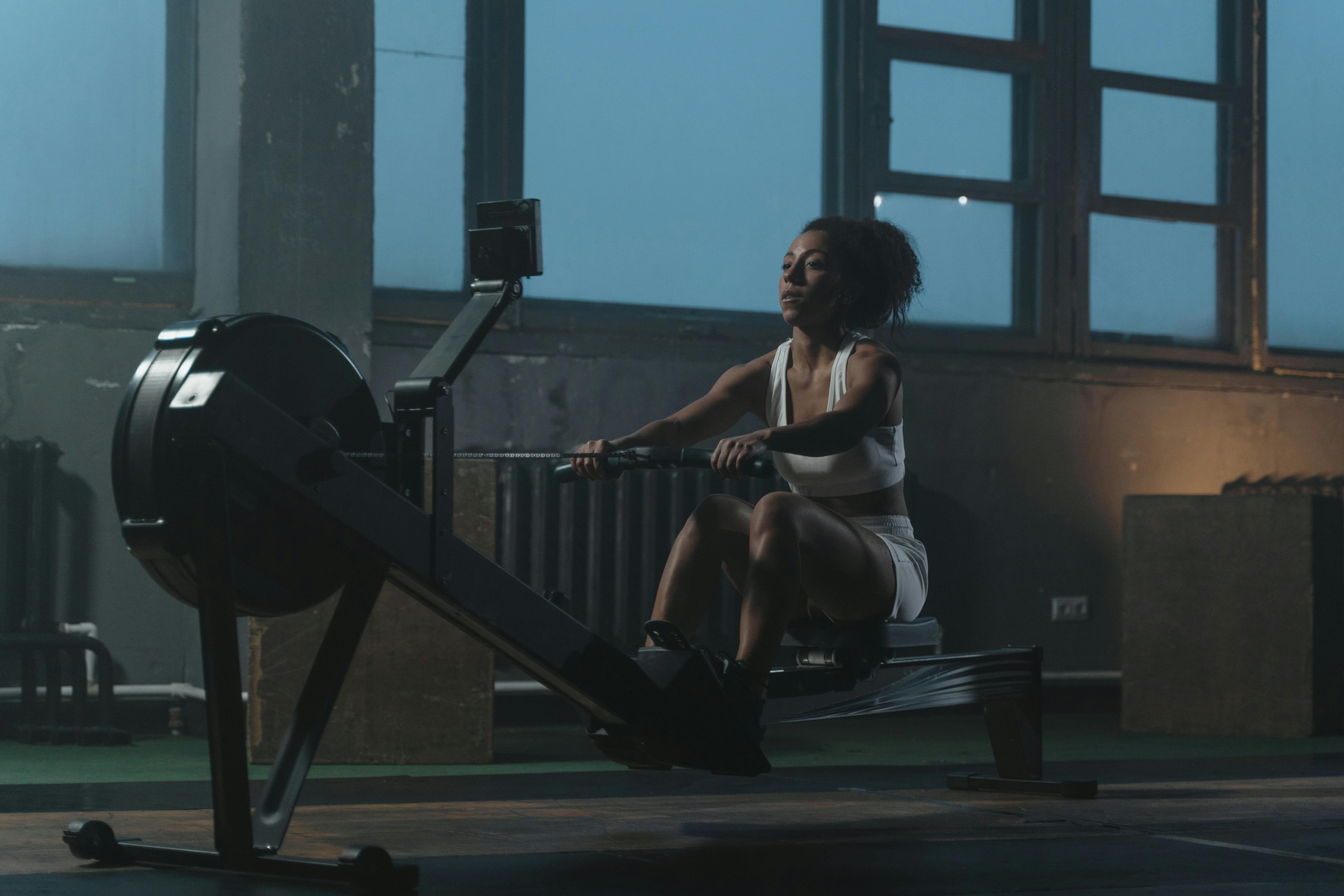
Making smart choices about your workout clothes can help you stay consistent. Here are a few practical tips to remove clothing as a barrier to exercise:
-
Choose comfort over appearance: Select fabrics and fits that feel good on your body. If you're constantly adjusting your waistband or feel self-conscious, it's harder to focus on the activity itself. Prioritize what allows you to move freely.
-
Keep one reliable outfit ready: Eliminate decision fatigue by having a designated go-to outfit for exercise. Knowing it's clean, comfortable, and ready to go makes it easier to get started without thinking.
-
Test clothing with basic movements: Before committing to a workout, do a few squats or arm circles. This quick check ensures your clothes won't restrict your range of motion or ride up in uncomfortable ways.
-
Avoid overcomplicating your wardrobe: You don't need a different specialized outfit for every activity. A few versatile, high-quality pieces are often more effective than a drawer full of options you rarely use.
-
Replace items that consistently distract you: If a pair of shorts always bunches up or a shirt's tag constantly scratches you, it's time to replace it. These small annoyances can become major mental hurdles.
-
Focus on feeling supported, not impressive: The goal of workout gear is to support your movement, not to make a fashion statement. Choose items that help you feel secure and capable, so your mind stays on your workout.
These small decisions can significantly reduce hesitation and increase your chances of following through with your exercise plans.
What If You Cannot Afford New Clothing?
You don't need to purchase expensive gear to start exercising.
If your current clothing allows for safe and comfortable movement, that is sufficient for getting started. The priority is to begin moving. As you build a consistent routine over time, you can gradually upgrade your workout attire.
The goal is to make exercise feel accessible, not like a financial burden.
Functionality is more important than having the perfect gear.
FAQs
How does workout clothing remove barriers to starting an exercise routine?
Proper clothing makes physical activity feel easier and more comfortable.
Moisture wicking fabrics pull sweat from the skin, regulate body temperature, and improve breathability.
The right outfit can make all the difference in feeling cool, confident, and ready for a good workout.
Why do proper footwear and athletic shoes matter so much?
Proper footwear like running shoes with arch support reduces injury risk and supports working muscles.
Right shoes improve blood flow and help prevent muscle cramps during training.
Clothing designed with proper footwear choices supports injury prevention and better form.
How do compression clothing and sweat wicking fabrics improve performance?
Compression gear such as compression socks may support delivering much needed oxygen to working muscles.
Sweat wicking abilities and quick drying fabrics absorb sweat better than cotton.
Reducing fatigue and improving air flow can create a huge difference in performance.
Can the right clothes improve confidence and consistency?
The best workout gear, from a supportive sports bra to stretchy clothing, supports full range movement.
New gear and gym clothes that fit well boost self esteem and fitness mentality.
When you feel motivated and comfortable, maintaining your exercise routine becomes easier.
Conclusion
The right clothing for exercise removes barriers by reducing discomfort, simplifying decisions, and supporting natural movement. When your clothes feel comfortable and easy to wear, starting becomes easier. And when starting becomes easier, consistency grows.
You do not need a full wardrobe or specialized gear. You need a small setup that feels supportive and realistic for your life. By lowering friction and focusing on comfort, you create conditions where movement becomes part of your routine rather than something you struggle to begin.
Small adjustments lead to sustainable habits. And sustainable habits lead to lasting progress.
Related post
08
Apr
08
Apr
08
Apr
07
Apr
06
Apr


