

RECENT POSTS


Is It Better to Exercise Every Day or a Few Times a Week?
If you are wondering whether it is better to exercise every day or a few times a week, the honest answer is this: it depends on what you can maintain consistently.
For most beginners, exercising a few times a week is more sustainable than trying to work out every single day. Daily movement can be helpful, but it does not need to mean intense workouts. The goal is to build a routine you can repeat without burnout.
Consistency matters more than frequency alone. A realistic schedule done regularly will lead to better long-term results than an ambitious plan that lasts only two weeks.
Understanding What “Exercise Every Day” Really Means?

When people say they want to exercise every day, they often imagine structured workouts that are intense and time-consuming. That approach can quickly become overwhelming, especially if you are just starting out.
However, daily exercise does not have to mean high intensity. It could mean:
-
A short walk
-
Gentle stretching
-
A 10-minute bodyweight routine
-
Light mobility work
Daily movement can support your health, but it should not feel like punishment or pressure.
The Benefits of Exercising a Few Times a Week

For many beginners, starting with three to four days per week is more realistic. This allows recovery time and reduces mental resistance.
Exercising a few times a week can:
-
Reduce soreness
-
Prevent burnout
-
Make workouts feel more intentional
-
Fit more easily into busy schedules
When you know you have rest days built in, you may feel less pressure and more willingness to show up on workout days.
The Risk of Doing Too Much Too Soon
Trying to exercise every day right away can lead to:
-
Fatigue
-
Muscle soreness
-
Loss of motivation
-
Skipped sessions after burnout
If you already feel busy or out of shape, daily intense workouts may feel overwhelming. When exercise becomes exhausting, consistency drops. Starting smaller protects your energy and builds confidence.
The Case for Daily Light Movement
Structured workouts might only happen a few times a week, but incorporating light daily movement can still offer great benefits.
Simple activities like walking for 10 minutes, taking the stairs, or doing gentle stretches before bed can make a big difference in how you feel. Some people enjoy occasional recreational activities that keep movement fun and low-pressure, such as playing pickleball with a basic paddles set.
Daily movement does not need to be intense or time consuming. Short mobility routines or other light activities can easily fit into your day and contribute to overall well-being. It is an easy way to stay consistent without requiring a formal workout routine.
How to Decide What Works for You?
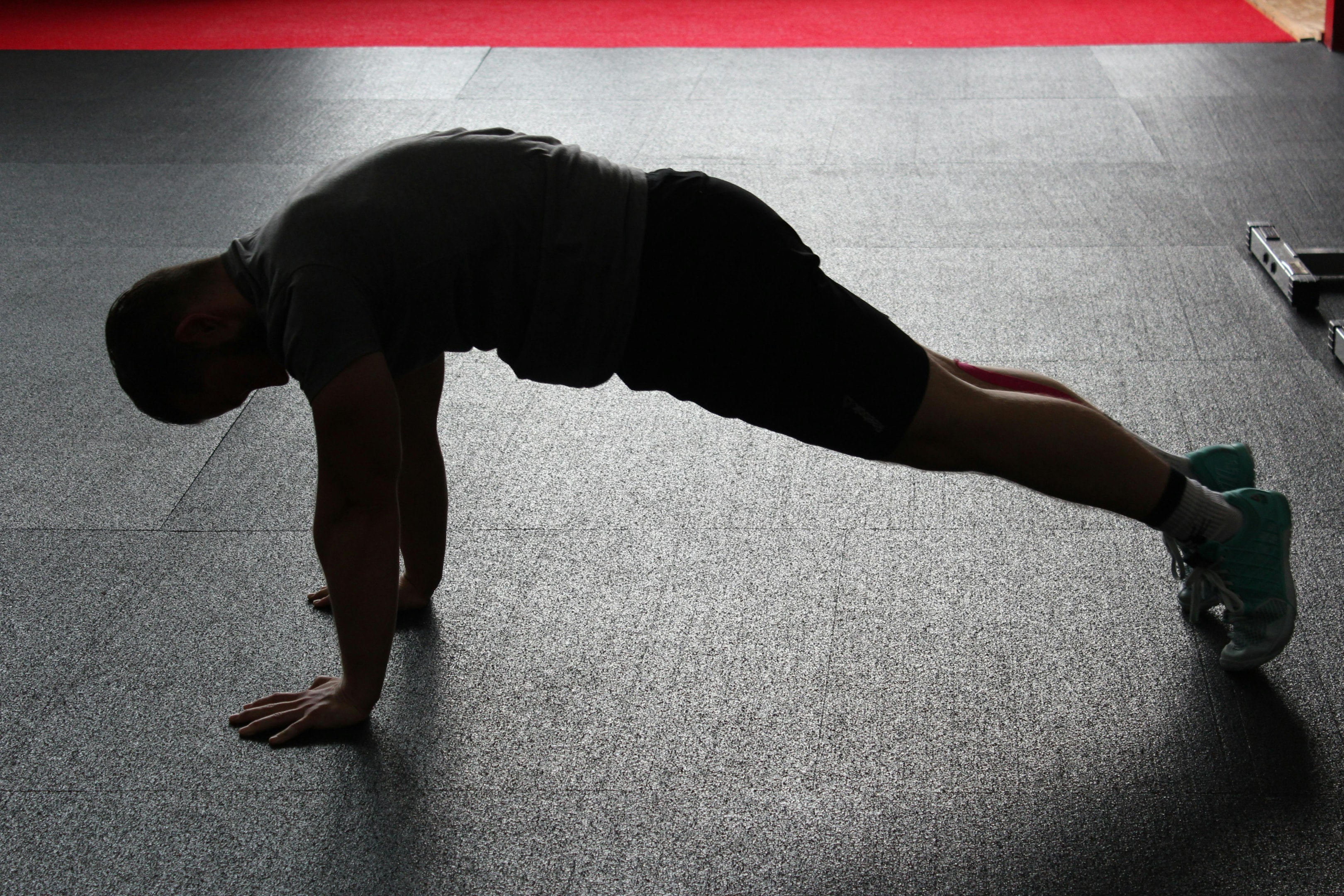
Instead of asking, “What is better?” ask, “What can I realistically maintain?”
Consider:
-
Your work schedule
-
Family responsibilities
-
Sleep quality
-
Stress levels
-
Current fitness level
If your week is unpredictable, three structured workouts may be ideal. If you enjoy routine and have flexible time, daily short sessions may feel good.
The best plan is the one that fits your real life.
A Balanced Approach for Beginners
A balanced weekly routine is an effective structure for those new to exercise. This typically involves three structured workout days, two light activity days, and two full rest days.
The structured days can be dedicated to more intensive activities like strength training or extended walks. Light activity days might include brief stretching sessions or mobility exercises.
This strategy ensures consistent engagement without overexertion, establishing a sustainable foundation for your long-term fitness goals.
Why Rest Days Matter?

Rest is not laziness. It is part of progress.
When you exercise, your muscles and nervous system need time to recover. Recovery supports:
-
Strength improvements
-
Reduced injury risk
-
Better energy levels
-
Long-term sustainability
If you feel guilty taking rest days, remind yourself that recovery is part of the plan, not a break from it.
Consistency Over Intensity
It is easy to assume that more exercise equals better results. In reality, consistency matters more than frequency alone.
Three workouts per week done for six months will lead to more progress than daily workouts done for two weeks and then abandoned.
If you are unsure whether to exercise every day or a few times a week, choose the schedule you can repeat for months, not days.
What If You Miss a Day? Don't Sweat It.
So you missed a workout. It happens! That doesn't mean your progress is lost or that you've failed.
-
Planned a daily walk but missed a day? Just pick it back up tomorrow. No need to walk twice as far to "make up for it."
-
Aiming for three gym sessions but only made it to two? Carry on with your next planned workout.
Shake off that all-or-nothing mindset. Consistency over perfection is the name of the game, and small gaps won't erase all your hard work.
Level Up as You Go
The perfect workout schedule for you today might not be the perfect one next month.
As your energy and fitness levels rise, you might find yourself wanting to move more. That initial goal of three workouts a week could naturally evolve into four or five shorter, more energetic sessions.
The trick is to make gradual adjustments rather than drastic leaps.
Tune In to Your Body

Let us be realistic: some weeks are tougher than others. When life gets stressful, scaling back your workouts is not just acceptable, it is smart. On calmer weeks, you might feel ready to take on more.
Learning to adapt your routine without feeling guilty is key to building a healthy, long-term relationship with exercise.
Remember, you are not training for a gold medal in perfection. You are building a sustainable habit that works for you.
FAQs
Is it better to exercise every day or only a few days a week?
According to physical activity guidelines from health and human services, healthy adults should aim for 150 minutes of moderate aerobic activity or vigorous intensity activity each week. You can spread this across several days a week or break it into smaller chunks. Both options support overall health and fitness benefits if you stay active consistently.
How often should strength training be included?
Resistance training and muscle strengthening activities should target major muscle groups at least two days a week. Full body strength sessions or upper body and lower body days can improve muscle strength and building muscle. Enough rest between strength sessions supports muscle building and prevents injury.
What types of activities provide health benefits?
Moderate intensity activity like brisk walking, climbing stairs, or swimming laps supports heart disease prevention and weight loss. Vigorous aerobic activity and vigorous intensity physical activity offer even more health benefits when combined with cardio and resistance bands.
Does daily exercise help with weight and fitness goals?
Daily low intensity exercise or active recovery days can keep you physically active without overtraining. A balanced workout plan with weight training, own body weight exercises performed, and moderate aerobic activity supports fitness benefits across age groups.
Conclusion
So, what is better, exercising every day or just a few times a week? For most beginners, sticking to a few workouts a week with some light daily movement is usually the way to go. It is more sustainable and easier to maintain.
You do not need daily intense workouts to build strength, feel healthier, or boost your mood. The key is finding a routine that works for you and helps you stay consistent.
When exercise fits into your life without feeling overwhelming, it is much easier to keep it up for the long haul. In the end, the best schedule is the one you can stick to with confidence and ease.
Related post
08
Apr
08
Apr
08
Apr
07
Apr
06
Apr


