

RECENT POSTS


How Long It Takes to Feel Stronger When Starting Out?
If you are new to exercise, it is normal to wonder how long it will take to feel stronger. Most beginners notice a difference within two to four weeks of consistent training. While you might not see significant physical changes immediately, you will likely find movements easier, your coordination improved, and your confidence growing.
Strength builds gradually, not overnight. The good news is that your body adapts quickly to consistent, manageable challenges. You do not need intense workouts or complex programs, just regular practice and patience.
This article will explain what happens when you start training, offer realistic timelines, and show you how to recognize progress even before it is visible.
What Does Getting Stronger Actually Mean?
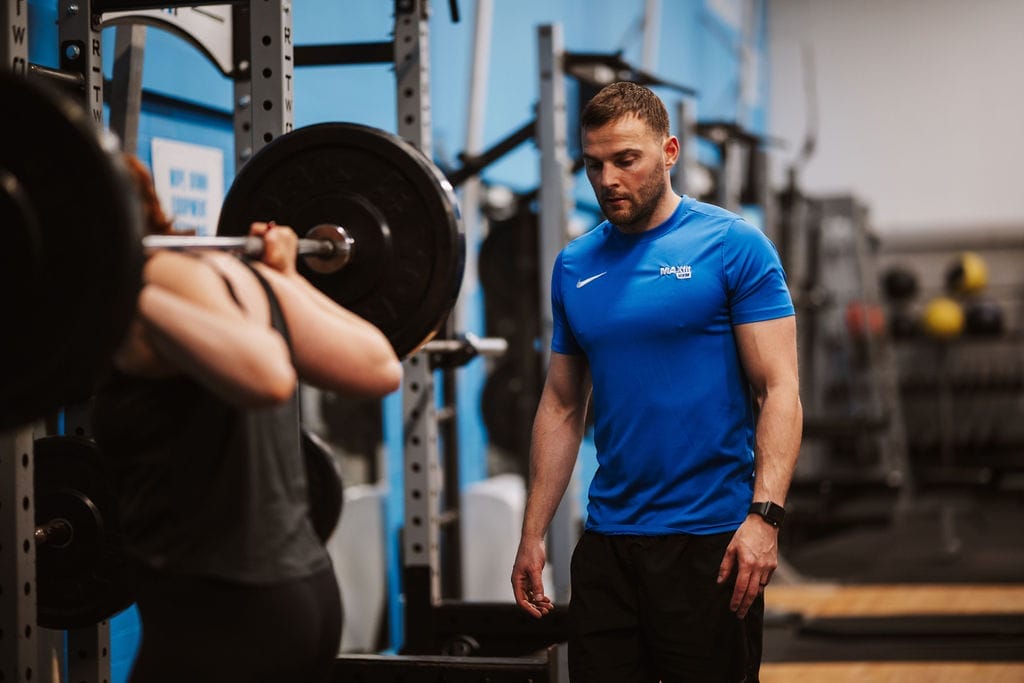
Before talking about timelines, it helps to define what strength really means.
For beginners, getting stronger does not only mean lifting heavier weights. It can mean:
-
Standing up from a chair more easily
-
Carrying groceries without strain
-
Climbing stairs with less effort
-
Completing more repetitions than last week
-
Feeling more stable and balanced
Strength shows up in daily life first. Visible muscle changes often come later. If you focus only on appearance, you may miss early signs of progress.
The First Two Weeks: Your Body Is Learning

When people ask how long to get stronger, they often expect muscle growth to be the first sign of progress. In reality, your nervous system adapts first.
Neural Adaptation
During the first one to two weeks of consistent strength training, your brain and muscles learn how to work together more efficiently. This is called neural adaptation.
You may notice:
-
Exercises feel less awkward
-
You move more smoothly
-
You feel more in control
-
You can complete the same workout with less effort
Your muscles are not necessarily bigger yet. Your body is simply becoming more efficient at using the strength you already have.
This stage is encouraging because progress can happen quickly, even if it is subtle.
Weeks Three to Four: Noticeable Strength Improvements
By weeks three and four, most beginners start to clearly feel stronger.
You might notice:
-
You can increase the weight slightly
-
You can perform more repetitions
-
You feel less sore after workouts
-
Recovery between sets improves
This is often when motivation increases because progress feels real. Everyday tasks may begin to feel easier, and workouts may feel less intimidating.
If you train two to three times per week consistently, this is when many people stop asking how long to get stronger because they begin to feel the answer in their own body.
Weeks Six to Eight: Visible Changes Begin

Around six to eight weeks, you may start seeing small physical changes.
These can include:
-
Slight muscle definition
-
Improved posture
-
A firmer feeling in arms or legs
-
Increased endurance
Not everyone sees dramatic visual differences at this stage. Changes depend on factors like sleep, nutrition, stress levels, and starting point. But strength continues to build beneath the surface.
It is important to remember that feeling stronger and looking stronger are not always synchronized. Strength often improves before visible muscle growth.
Why Beginners Often Progress Faster?
Beginners in strength training often progress faster than they might expect because of the new stimulus effect. When the body is not accustomed to resistance training, even simple exercises can prompt noticeable changes.
Basic movements performed consistently are enough to stimulate adaptation without the need for advanced techniques. This makes the initial stages of training highly rewarding and encouraging.
Another reason for quicker progress is the greater room for improvement. Beginners typically start with a lower baseline of strength, allowing their bodies to grow and adapt more rapidly. Over time, gains naturally slow as the body becomes more experienced, which is completely normal.
Factors Influencing How Long It Takes to Get Stronger

While progress is inevitable with consistent effort, everyone’s timeline for getting stronger will be slightly different. Several key factors affect how quickly you'll notice changes in your strength and physical abilities.
Training Frequency
For those new to strength training, aiming for two to three sessions per week is an effective starting point.
This frequency provides enough stimulus for your muscles to adapt and grow stronger. Training less frequently might slow down your progress because your body will not receive the consistent signals it needs to change.
On the other hand, training more frequently is not always better, especially if you are not giving your body enough time to recover properly between workouts. Ultimately, consistency in your training routine matters more than the sheer volume of workouts you do.
Sleep and Recovery
Your muscles don't actually grow during your workouts; they adapt, repair, and become stronger during periods of rest. Sleep is a critical component of this recovery process.
If you consistently get poor-quality sleep, you might find that your strength gains feel slower or stall altogether.
Prioritizing rest is just as important as the training itself. Even small improvements in your sleep habits can significantly support faster progress and help your body recover more effectively.
Nutrition
You don't need a complicated or restrictive diet to get stronger, but proper nutrition is fundamental. Eating regular, balanced meals that include an adequate amount of protein is crucial for muscle repair and growth.
Protein provides the building blocks your body needs to rebuild muscle tissue after a workout. Consistently skipping meals or not eating enough can limit your body’s ability to recover from exercise and adapt, which can hinder your strength gains.
Effort Level
To see results, your workouts need to be challenging enough to stimulate change. You don't need to push yourself to your absolute maximum intensity in every session, but your exercises should feel moderately challenging by the time you're finishing your sets.
If your workouts consistently feel easy and you never try to increase the resistance, add more weight, or complete more repetitions, your progress will likely slow down or plateau. Making small, gradual increases in difficulty over time is what creates steady, sustainable improvement.
Signs You Are Getting Stronger
Strength improvements are not always dramatic, so it is important to look for small wins along the way. Recognizing these subtle signs of progress can help you stay motivated and patient.
Some people use simple measurement tools, such as a digital grip strength tester from Nomadiq Gear, to observe changes in hand and forearm strength over time without relying only on visual progress.
These small indicators are clear evidence that your hard work is paying off, even if the changes do not feel significant overnight. You may be getting stronger if you can slightly increase the weight you are lifting or complete more repetitions than before.
Other positive signs include feeling more stable and confident during exercises that once felt intimidating. Noticing that you recover faster between sessions is another key indicator of increased strength and fitness.
What If You Do Not Feel Stronger Yet?

If you are still wondering how long to get stronger after several weeks, it may help to evaluate your approach.
Check Your Consistency
Have you been training regularly? Missing multiple sessions each week can slow adaptation.
Even short workouts help maintain progress.
Gradually Increase Challenge
If you have been using the same weight and repetitions for weeks without change, your body may have adapted.
Try:
-
Adding one repetition per set
-
Increasing weight slightly
-
Slowing the tempo of movements
Small adjustments create new stimulus without overwhelming your system.
Stay Patient
It is common to underestimate your progress. Strength builds gradually. Comparing yourself to others can distort your perception of improvement.
Focus on your own baseline.
The Mental Side of Getting Stronger
Strength is not just about physical power. It also shapes how you see yourself. Many beginners experience noticeable mental benefits, such as improved confidence, better posture, and a greater willingness to try new exercises.
Over time, these shifts help reduce fear of physical tasks, making daily challenges feel more manageable and less intimidating. These mental changes play a big role in reinforcing the habit of training.
As you build consistent habits, they gradually shape your identity, making exercise a natural part of your lifestyle. This connection between mindset and physical progress is key to staying committed for the long term.
Avoid the All or Nothing Mindset
One common mistake is expecting rapid, dramatic change. If it does not happen, people assume they are doing something wrong.
Strength is not built in a few intense sessions. It is built through repeated moderate effort over time.
If you miss a workout, continue the next week. Progress does not disappear after one imperfect session.
Consistency over intensity is the foundation.
A Simple Plan for the First Eight Weeks
If you want clarity without complexity, follow this basic structure.
Train Two to Three Times Per Week
Focus on five basic movement patterns:
-
Squat or sit-to-stand
-
Push movement
-
Pull movement
-
Hip hinge
-
Core stability
Perform two to three sets of each exercise.
Increase Gradually
Each week, focus on making small, consistent progress in your workouts. You can aim to add one more repetition, slightly increase the weight, or refine your form and control.
These small improvements may seem minor, but they add up over time, helping you build strength and achieve your fitness goals more effectively. Stay patient and stay consistent!
Keep Sessions Short
Twenty to thirty minutes is enough for beginners.
Short sessions reduce friction and increase the likelihood of long-term consistency.
Long Term Perspective

If you look at strength development over months instead of weeks, progress becomes clearer.
First month:
-
Coordination improves
-
Early strength gains appear
Second and third month:
-
Clear performance improvements
-
Visible muscle tone may begin
Six months and beyond:
-
Solid strength foundation
-
Increased endurance
-
Greater physical confidence
When you zoom out, the process feels less rushed.
FAQs
What factors influence building muscle and muscle mass?
Several factors affect how long does it take, including fitness level, workout routine, rest days, and a balanced diet with enough calories. Muscle protein synthesis helps each muscle cell recover as the body repairs and supports muscle development.
When does noticeable muscle growth happen?
Noticeable muscle growth and improved muscle tone usually appear after two to three months of consistent muscle building. Significant improvements in muscle mass often show between four to six months.
How long does it take to feel stronger when starting out?
Most people notice improvements in muscle strength within a few weeks of beginning a strength training program. Early gains come from muscle fibers adapting and the cardiovascular system supporting more force during the same exercises.
Do beginners and advanced lifters progress differently?
A complete beginner may gain muscle at a faster pace, while advanced lifters must fine tune their training program over an extended period. Building muscle takes time for most people, especially when aiming for more reps and overall fitness.
Conclusion
If you are asking how long it takes to get stronger, most beginners begin to feel noticeable strength improvements within two to four weeks of consistent training. Visible physical changes often begin around six to eight weeks.
The exact timeline depends on consistency, recovery, and gradual progression. You do not need extreme workouts or complex programming.
Strength builds steadily through repeated effort. Small improvements matter. Show up regularly, increase the challenge gradually, and allow time to do its work.
Progress may feel slow day to day, but over weeks and months, it becomes undeniable.
Related post
08
Apr
08
Apr
08
Apr
07
Apr
06
Apr


