

RECENT POSTS


Can Short Workouts Actually Work?
Many beginners hesitate to start exercising because they believe they do not have enough time.
Work, family responsibilities, and fatigue make long workouts feel unrealistic. When schedules are tight, a common question comes up: Do short workouts work, or are they just better than nothing?
This article answers that question in a calm and practical way. There is no pressure to train longer or harder. The goal is to understand what makes exercise effective, when short workouts are enough, and how to use them in a way that supports long-term consistency.
Why People Doubt That Short Workouts Work?

One reason people doubt short workouts is the belief that longer always means better. Many fitness programs emphasize hour-long sessions, detailed routines, and high effort. When exercise is presented that way, short sessions can feel insignificant.
Comparison also plays a role. Seeing advanced exercisers train intensely for long periods can create the impression that anything shorter is ineffective. This comparison often overlooks the fact that beginners have different needs and recovery capacities.
There is also pressure to maximize time. If you only have fifteen minutes, it can feel like you should wait until you have more. This mindset turns short sessions into something optional rather than useful.
Finally, some people fear wasting effort. If a workout feels short, they may assume it will not lead to progress. This belief can prevent them from starting at all.
What Actually Makes a Workout Effective?
The effectiveness of a workout depends less on its length and more on its consistency and appropriateness for your current level. A workout that you can repeat regularly is far more valuable than one that leaves you exhausted and inconsistent.
Effort relative to your ability also matters. For beginners, even short sessions can provide enough stimulus to encourage adaptation. The body responds to manageable stress applied consistently over time.
Recovery is another key factor. Longer or more intense workouts require more recovery. Shorter workouts often allow the body to adapt without overwhelming it. This can make it easier to stay consistent.
Sustainability plays a central role. Exercise only produces long-term benefits if it continues. A short workout done three or four times a week often supports better results than a long workout done sporadically.
Do Short Workouts Work?
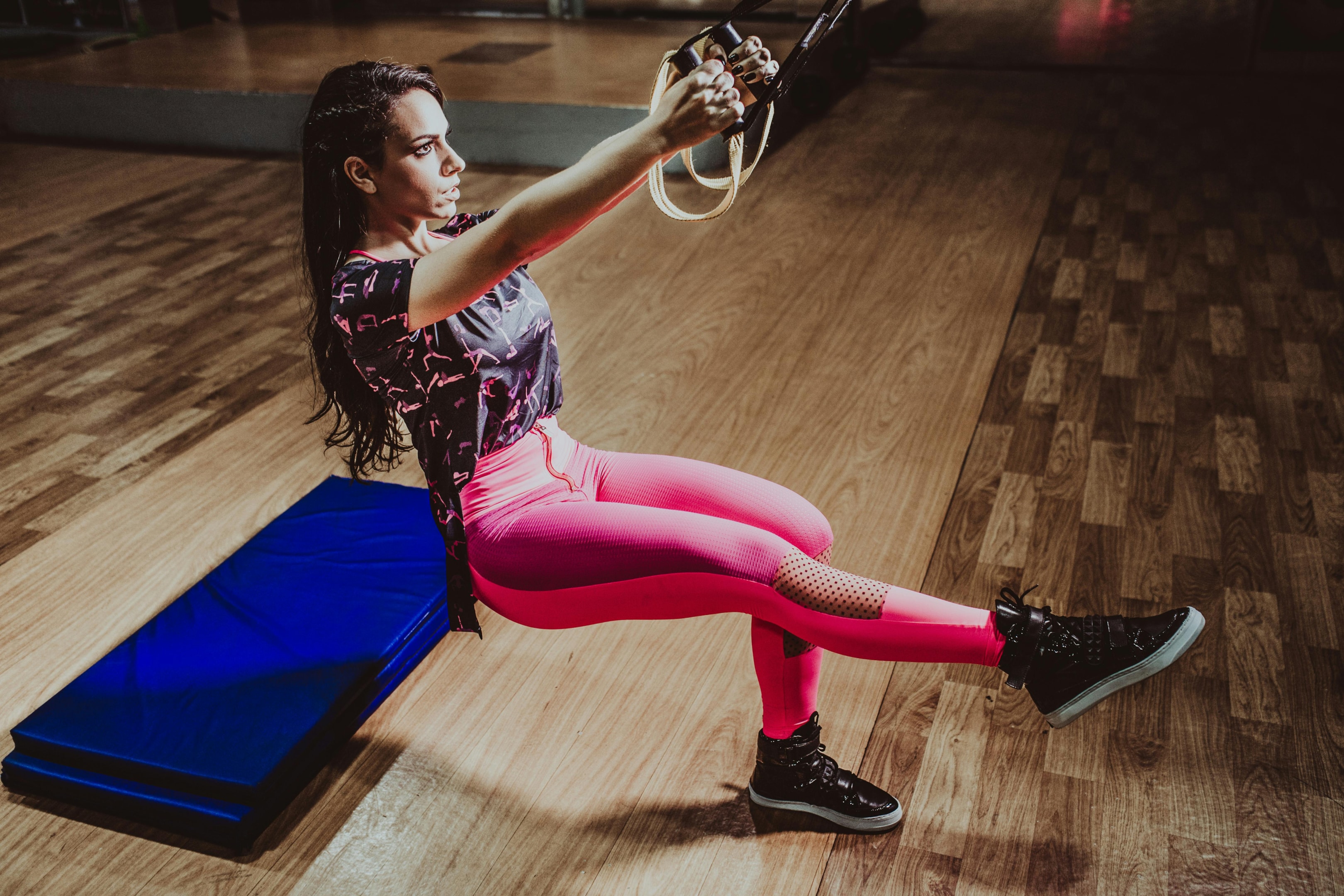
For many beginners, the answer is yes. Short workouts can absolutely work when they are used intentionally and consistently.
When Short Workouts Are Enough
Short workouts are often enough for beginners who are restarting movement or building a new habit. When the goal is to increase activity and reduce sedentary time, even brief sessions make a difference.
They are also effective during busy periods. Life does not always allow for long sessions. Choosing a short workout instead of skipping entirely keeps momentum alive.
Short workouts are especially useful for building consistency. Because they require less time and energy, they are easier to repeat. Repetition is what turns exercise into a habit.
The Benefits of Short Workouts
Short workouts lower mental resistance. Knowing that a session will only take ten or fifteen minutes makes starting feel manageable. Reduced resistance increases the likelihood of action.
They also tend to allow for easier recovery. When sessions are shorter and appropriately paced, soreness and fatigue are less likely to build up. This helps maintain regular movement without burnout.
Another benefit is reduced pressure. Short workouts remove the expectation of perfection. They create space for flexibility and adaptation, which supports long-term sustainability.
What Short Workouts Can Improve
Short workouts can improve basic strength and mobility, especially at a beginner level. Simple bodyweight movements or light resistance exercises performed consistently can build foundational strength.
They can also support cardiovascular health. A brisk walk, a short cycling session, or a brief circuit can gently raise heart rate and improve stamina over time.
Most importantly, short workouts help form habits. Habit formation is often the most significant improvement for beginners. Once a habit exists, other goals become easier to pursue.
When Short Workouts May Need to Grow
There may come a time when short workouts feel very easy and automatic. This can signal that your body has adapted and that you may benefit from gradually increasing duration or variety.
Growth should happen slowly and intentionally. Adding a few minutes or an extra movement is often enough. There is no need to double workout length suddenly.
The key is to protect the habit while allowing it to evolve. Short workouts can remain the foundation even as you build on them over time.
How to Make Short Workouts More Effective Without Burning Out?
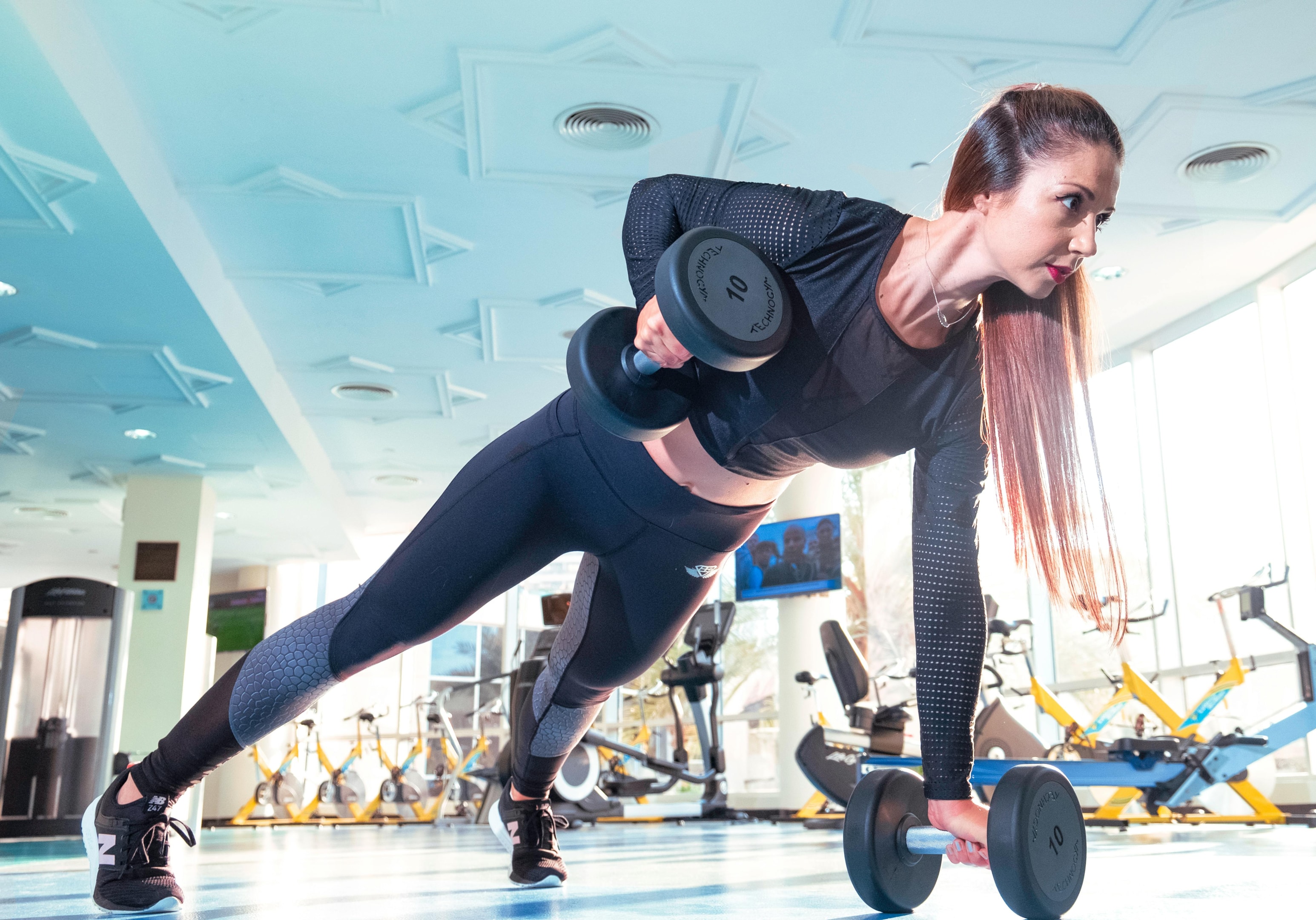
Clarity helps make short workouts effective. Choosing a simple focus for each session prevents wasted time. For example, one day might emphasize lower-body movements, while another focuses on mobility.
Removing distractions also improves effectiveness. Setting aside a dedicated window of time, even if brief, supports attention and consistency. Some people find that keeping a simple setup ready, such as leaving a yoga mat like the Premium Exercise Yoga Mat from Nomadiq Gear unrolled in a corner, reduces friction and makes short sessions easier to begin.
Keeping structure simple reduces friction. Having a small set of go-to movements or a repeatable routine lowers the mental effort required to start.
Common Mistakes With Short Workouts
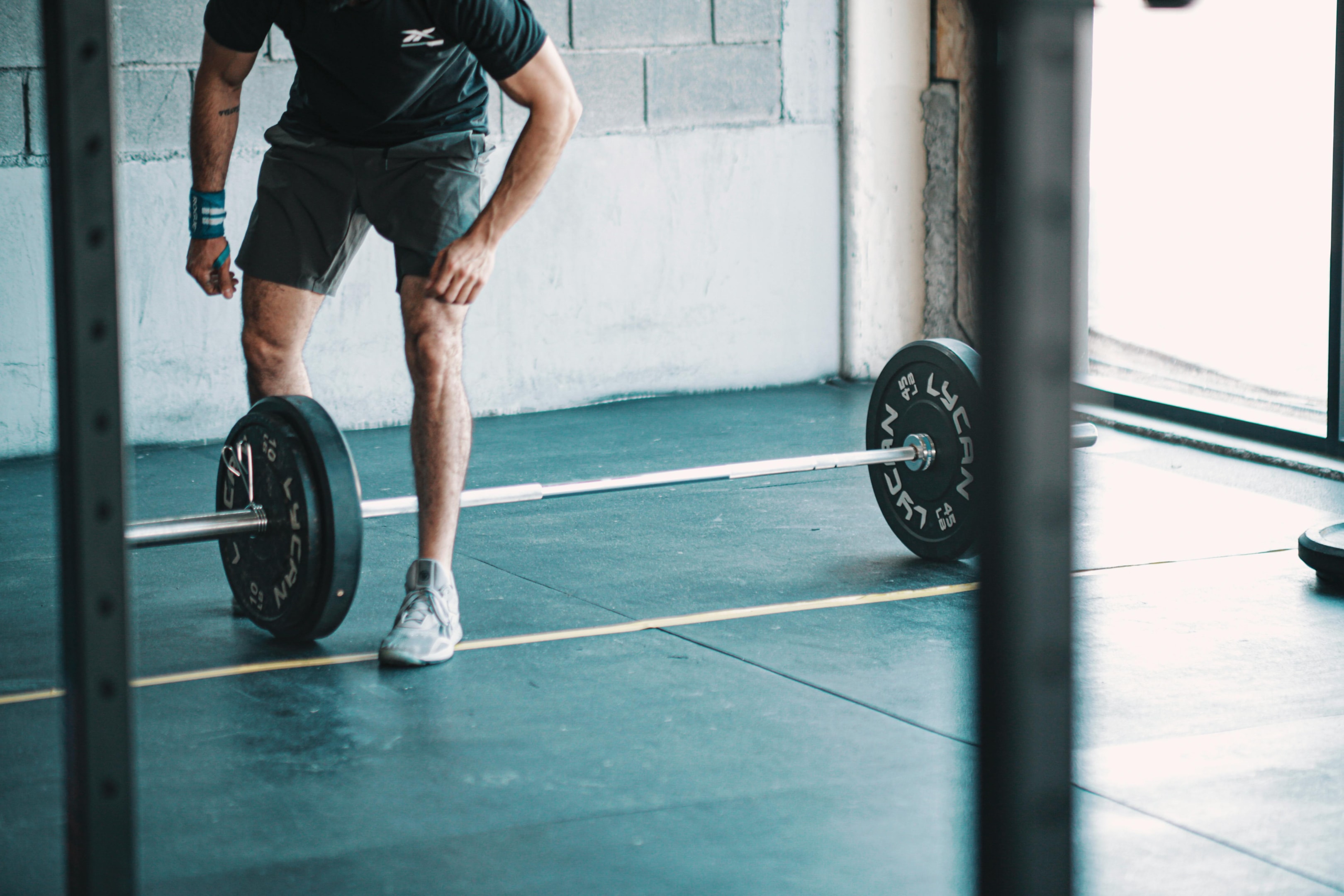
One common mistake is treating short workouts as optional. Because they feel small, they can seem less important. Over time, this mindset can lead to inconsistency.
Another mistake is skipping short sessions while waiting for a longer window of time. This often results in fewer workouts overall.
Some beginners also turn short workouts into high-intensity sessions to compensate for their length. Pushing too hard can increase fatigue and reduce repeatability. Keeping intensity appropriate supports sustainability.
Building a Sustainable Routine With Short Workouts

Short workouts can serve as a strong foundation for a sustainable routine. When sessions are manageable, they fit more easily into daily life.
Consistency builds momentum. Each short workout reinforces the identity of someone who shows up regularly. Over time, this identity becomes more stable than temporary motivation.
Stacking short sessions across weeks and months creates meaningful progress. Improvements in energy, strength, and confidence often come gradually but steadily.
Exercise does not need to dominate your schedule to be effective. When it fits into real life, it becomes easier to maintain.
FAQs
But can workouts be that short and still work?
Findings suggest multiple short workouts at moderate intensity or vigorous intensity aerobic exercise can create the same health improvements as long workouts. One minute bursts, brisk walking breaks, or jumping jacks during a lunch break support cardiovascular health benefits.
Do short sessions help build muscle?
Yes. Push ups and strength training workouts that perform muscle strengthening activities target different muscle groups. High intensity exercise training or lower intensity workouts both support muscle development and greater overall muscle development over a few weeks.
Can short workouts yield substantial health benefits?
Yes. Research in clinical exercise physiology and sport science consistently demonstrated that short bursts of physical activity yield substantial health benefits. Even a minute workout or exercise snacks performed throughout the day can improve blood pressure, blood flow, and cardiorespiratory health, offering significant health benefits.
Are short workouts practical today?
In today’s fast paced world, a balanced exercise routine with intense sessions periodically is a practical and efficient way to stay active. Whether moderate intensity aerobic exercise or vigorous activity, exercise novices can achieve optimal results without long distance running.
Conclusion
Do short workouts work? For beginners, they often do. Short sessions can build strength, improve cardiovascular health, and, most importantly, support consistent habits.
Effectiveness depends on repetition, not duration alone. A brief workout done regularly can create more lasting change than a longer session done occasionally.
Starting with short workouts removes pressure and lowers barriers. Over time, consistency creates progress. When exercise feels manageable, it becomes something you can sustain without burning out.
Related post
08
Apr
08
Apr
08
Apr
07
Apr
06
Apr


