

RECENT POSTS


How to Exercise When You’re Always Tired?
If you are trying to exercise when tired, the goal is not to push harder. It is to move in a way that supports your energy instead of draining it further.
When you feel exhausted most days, intense workouts are rarely the answer. Small, gentle movement done consistently is usually more effective. For many beginners, fatigue becomes the biggest barrier to starting or restarting exercise. You may feel like you need more energy before you begin.
In reality, carefully chosen movement can help improve energy over time. The key is adjusting your expectations and building habits that fit your current capacity, not an ideal version of yourself.
Why You Feel Too Tired to Exercise?
Before changing your routine, it helps to understand why you feel tired in the first place.
Common reasons include:
-
Poor or inconsistent sleep
-
High stress levels
-
Long work hours
-
Parenting responsibilities
-
Low physical activity over time
-
Mental burnout
When life feels overwhelming, adding a demanding workout can feel impossible. If exercise feels like another task on your list, your brain may resist it.
This does not mean you are lazy or undisciplined. It means your current approach may not match your energy level.
The Difference Between Physical Fatigue and Mental Fatigue

Not all tiredness is the same.
Physical fatigue feels heavy in the body. Your muscles may feel weak or stiff. You may genuinely need rest. Mental fatigue feels like low motivation or emotional exhaustion. Your body may still be capable of gentle movement, even if your mind feels drained. When deciding whether to exercise when tired, ask yourself: Is my body exhausted, or am I mentally overwhelmed?
If you are physically exhausted from illness or lack of sleep, rest may be appropriate. If you are mentally tired from stress or screen time, light movement may actually help.
Rethinking What Exercise Means

Many people assume exercise must be intense to count. That belief often prevents them from moving at all.
Exercise does not need to be:
-
Long
-
High intensity
-
Sweaty
-
Complicated
When you are trying to exercise when tired, think of movement as energy management rather than calorie burning.
Gentle stretching, walking, light bodyweight movements, or short mobility sessions are all valid forms of exercise. Lowering the intensity makes starting easier.
Start Smaller Than You Think
If you are always tired, the solution is not to try harder. It is to reduce friction.
Instead of committing to a 30-minute workout, try five minutes.
Instead of a full routine, choose two movements.
Instead of changing clothes, move in what you are already wearing.
When the starting point feels small, your brain is less likely to resist.
Often, once you begin, you may feel capable of doing a little more. But even if you only complete a few minutes, you have maintained consistency. Consistency builds momentum. Intensity often breaks it.
A Simple Routine for Low-Energy Days

On days when energy is low, use this gentle structure.
Two Minutes of Slow Walking
Start with a relaxed walk around your home, balcony, or outside if possible. Keep your pace comfortable and natural. Focus on steady breathing and smooth steps rather than distance or speed.
This gentle movement helps wake up your body without demanding too much energy. Even slow walking increases circulation and reduces stiffness. On low energy days, beginning softly makes it easier to keep going.
One Minute of Shoulder Rolls and Arm Circles
Stand upright and slowly roll your shoulders forward and backward. Then extend your arms and make small, controlled circles in each direction. Keep your neck relaxed and your breathing steady.
These simple motions release upper body tension that builds from sitting or stress. They also improve posture and mobility. The aim is to feel lighter and more open, not to create strain.
One Minute of Bodyweight Squats or Sit to Stand
Use a chair if needed and move slowly from sitting to standing. If comfortable, perform gentle bodyweight squats with controlled movement and stable balance.
This short burst of lower body work activates large muscle groups. It helps maintain strength without overwhelming you. Slow, steady repetitions are more important than doing many.
Two Minutes of Light Stretching
Finish with gentle stretches for your calves, hamstrings, and chest. Move into each stretch gradually and hold briefly without bouncing.
This final step helps your body relax and reset. The routine may only take six minutes, but it keeps your movement habit alive. Consistency matters more than intensity on low energy days.
This six-minute routine may not feel impressive. That is fine. The goal is not performance. The goal is to maintain the habit of movement.
Use the “Minimum Standard” Approach
When you are learning to exercise when tired, set a minimum standard instead of a maximum goal.
For example:
-
Minimum standard: Move for five minutes
-
Bonus: Anything beyond that
This removes pressure. If you reach your minimum, you succeed. Anything extra is optional. Over time, your minimum may increase naturally as your energy improves.
How Movement Can Actually Improve Energy?
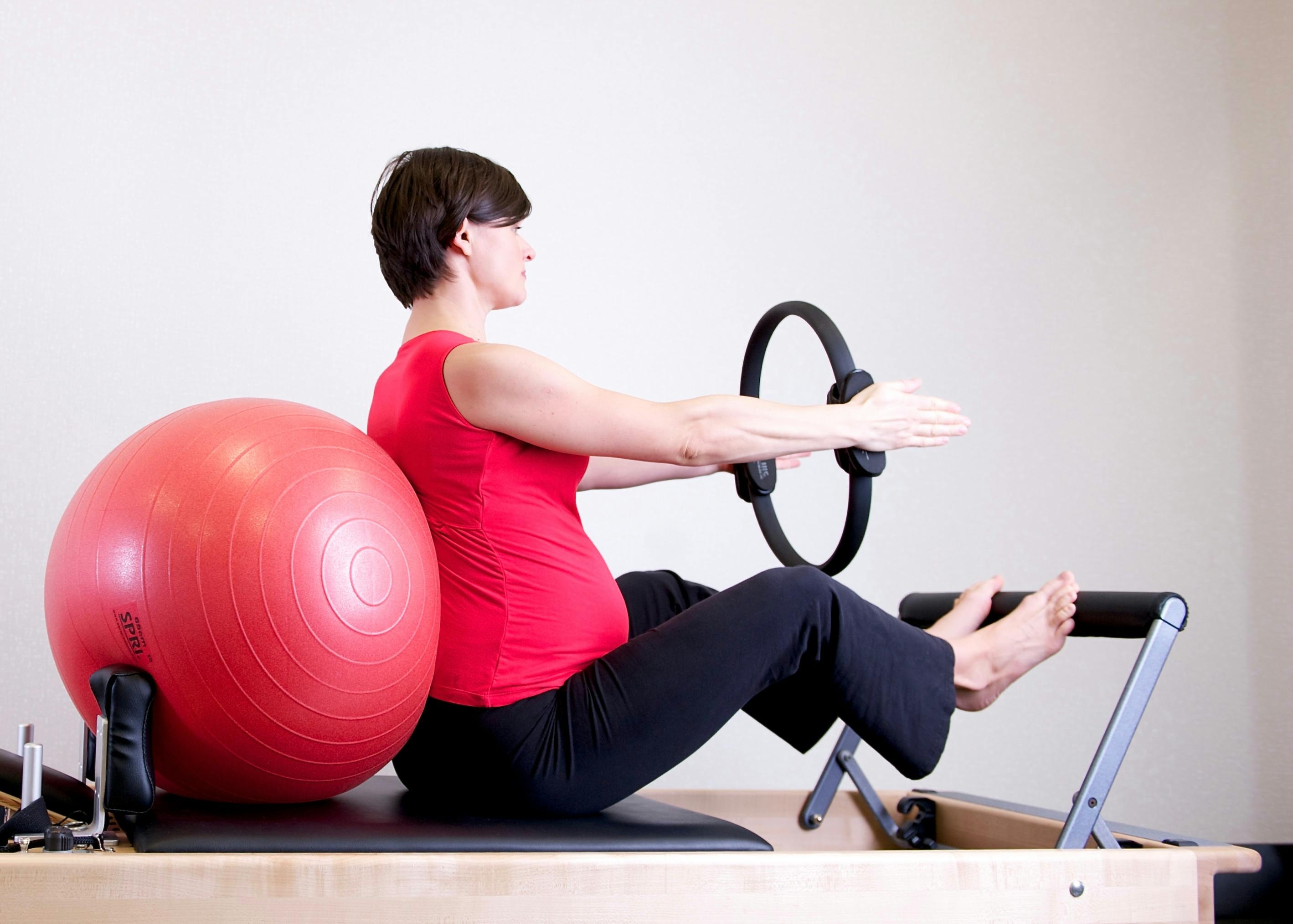
It may seem counterintuitive, but appropriate exercise can support energy levels.
Gentle movement can:
-
Increase blood circulation
-
Improve mood
-
Reduce stiffness
-
Help regulate sleep patterns
The key word is appropriate. High-intensity workouts when already exhausted can backfire. Moderate, consistent movement tends to work better. When you exercise when tired in a controlled way, you may notice subtle improvements in alertness after a few weeks.
Choose Low-Friction Tools
If setup feels overwhelming, simplify your environment.
Keep a small space clear in your home for movement. If you use light equipment like resistance bands, store them where you can see them.
Compact gear, such as basic resistance bands available from Nomadiq Gear, can make short sessions feel more structured without requiring a full home gym. However, equipment is optional. Bodyweight movements are enough.
Reducing setup time makes it easier to act, even on low-energy days.
Adjust Your Timing
Morning is not the only option.
If you feel too tired in the morning, consider:
-
A short walk during lunch
-
Light stretching in the evening
-
Five minutes of movement before showering
Exercise does not need a perfect time slot. It needs a realistic one. Match your movement to when your energy is slightly higher, even if that window is small.
Prioritize Recovery Habits
If you are always tired, exercise is only one part of the picture.
Support your energy by:
-
Going to bed at a consistent time
-
Limiting screens before sleep
-
Drinking enough water
-
Eating balanced meals
-
Taking short breaks during work
Exercise should support recovery, not compete with it. When recovery improves, movement becomes easier.
When to Rest Instead

There are times when rest is the right choice.
If you are:
-
Sick
-
Experiencing sharp pain
-
Severely sleep-deprived
-
Feeling dizzy or unwell
Choose rest.
Consistency does not mean ignoring your body’s signals. It means showing up appropriately. Some days that means gentle movement. Other days that means rest.
The key is returning to movement when you are able, without guilt.
Shifting Your Mindset
If you find it difficult to exercise when you're feeling tired, it might be beneficial to adjust your mindset.
Instead of asking, “Do I have enough energy for a full workout?”
Consider asking, “What type of movement is appropriate for my current energy level?”
This simple change in perspective makes exercise an adaptable practice rather than an all-or-nothing commitment. Choosing a shorter or less intense session isn't a failure; it's a demonstration of flexibility. Sustainable habits are built on this kind of adaptability.
Building Momentum Over Time
Building momentum takes time, and you might not feel a dramatic change right away. That’s perfectly normal.
The key is to focus on consistency by showing up, keeping sessions short to avoid burnout, and celebrating small victories along the way. By sticking with it, you'll find that your baseline energy gradually improves over several weeks.
More importantly, this consistency helps shift your identity. You start to see yourself as someone who moves regularly, even on days when you feel tired. It is this change in identity, rather than any single workout, that creates long-term stability and makes exercise a sustainable part of your life.
A Practical Weekly Plan for Low-Energy Days
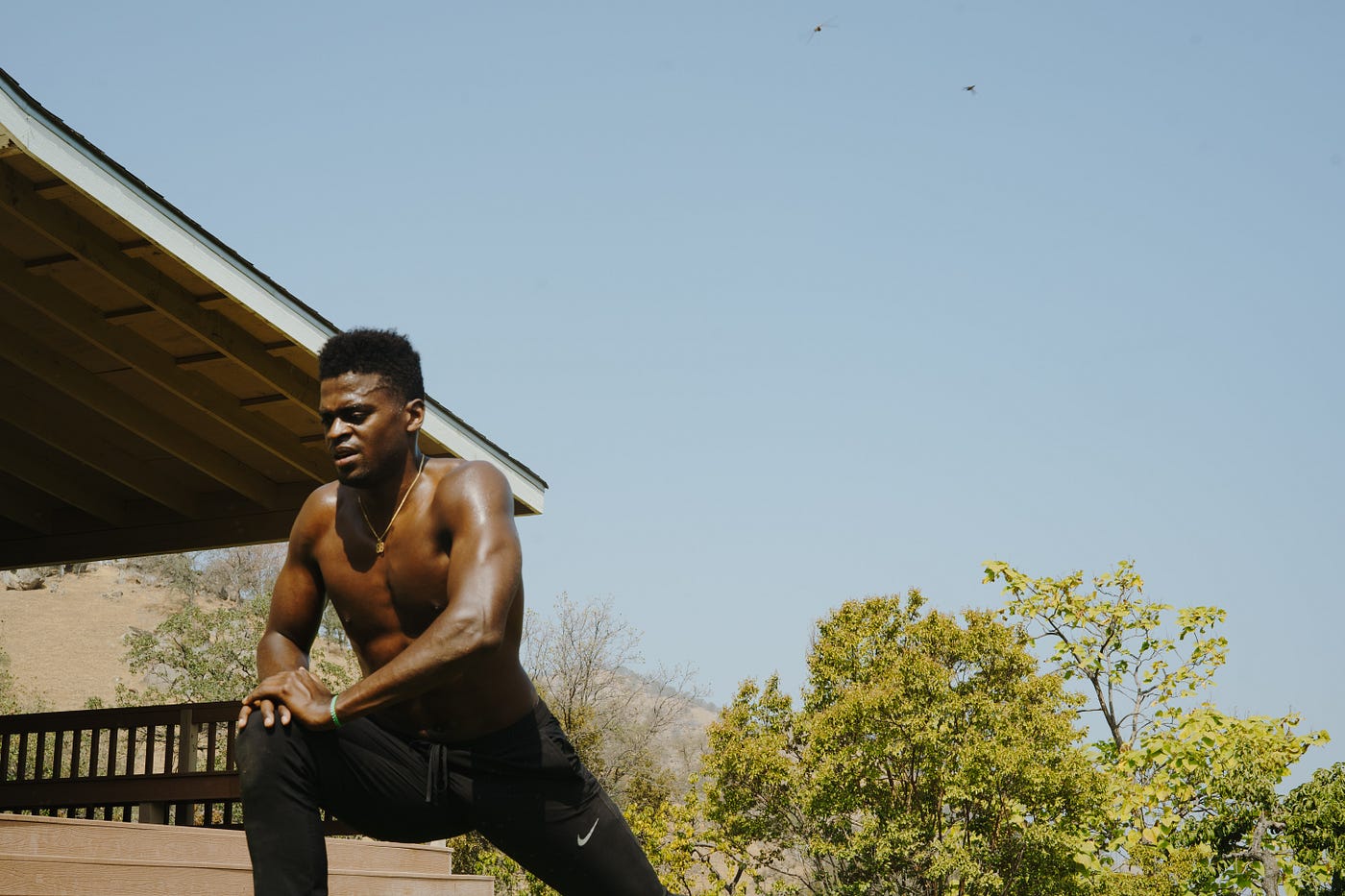
When your energy levels are unpredictable, it's best to structure your week gently and with flexibility. This approach helps you stay consistent without feeling overwhelmed.
A sample weekly plan might look like this:
-
Two days: A 10-minute light routine. This could be a gentle yoga flow, a slow walk, or a few bodyweight exercises. The goal is light movement, not intensity.
-
Two days: A 5-minute minimum routine. On days when you feel particularly drained, commit to just five minutes. This might be as simple as stretching or walking around your home. Often, starting is the hardest part.
-
One day: A longer walk or activity, but only if your energy allows. Don’t force it. If you feel up to it, great. If not, this becomes another rest day.
-
Two days: Active rest or gentle stretching. Rest is crucial for recovery. On these days, you can do some light stretching to ease muscle tension or simply take a full break.
This kind of flexible plan is designed to prevent the all-or-nothing cycle. You move your body regularly, building consistency and reinforcing your new identity as an active person, but you never push yourself so hard that you risk burnout.
Actionable Takeaways
If you want to exercise when tired without burning out:
-
Lower your expectations
-
Set a five-minute minimum
-
Choose gentle movements
-
Remove setup barriers
-
Adjust timing based on energy
-
Support recovery habits
-
Avoid all-or-nothing thinking
Small actions repeated consistently matter more than intense sessions done occasionally.
FAQs
What type of workout works best when tired?
Choose body weight exercises targeting major muscle groups. Push ups, posture training, or a short aerobic session increase blood pumping and boost energy levels. Aerobic activity raises circulation, while low impact workout options support muscle recovery and help muscles function properly.
Should I avoid high intensity sessions?
If chronically sleep deprived, a torching HIIT workout or high intensity interval training may not be ideal. Extra sleep outweighs intense sessions. Focus on just the right level of aerobic exercise or yoga classes for energy restoration.
Should I exercise when feeling chronically overwhelmed?
Research suggests moderate intensity exercise supports brain health and lowers internal stress. When the body accumulates stress from external stress or trouble sleeping, a light workout with deep breathing can restore your energy. Exercise relieves stress, improves oxygen flow, and boosts overall health without overwhelming the central nervous system.
How do I recover properly?
Practice proper form, allow recovery time, and aim for restorative sleep. Stretching improves blood flow for an even deeper stretch across all your tight spots. Only you can decide what helps your body recover and make fitness gains safely.
Conclusion
Learning to exercise when tired is not about pushing through and finding more energy. It is about adjusting your approach to make movement manageable, even on your toughest days. Think shorter, gentler, and more realistic routines.
You do not need to feel motivated or strong to get started. Just begin with something small and try to do it consistently.
Over time, these small sessions build resilience, boost your energy levels, and create a lasting habit. Remember, sustainable movement is always better than a perfect workout you cannot stick with.
Related post
08
Apr
08
Apr
08
Apr
07
Apr
06
Apr


