

RECENT POSTS


What Counts as Exercise?
When people think about exercise, many picture intense workouts, heavy sweating, gym memberships, or structured programs. This narrow definition creates unnecessary pressure, especially for beginners or people trying to restart after a long break.
If you have ever wondered what counts as exercise, you are not alone. Many people move their bodies regularly but do not give themselves credit because the movement does not resemble traditional fitness.
The truth is that exercise is far more flexible than most advice suggests. This article explains what counts as exercise, why movement does not have to be extreme to be effective, and how redefining exercise can help you stay consistent without feeling overwhelmed.
A Simple Definition of Exercise
Exercise is any intentional movement that supports your physical or mental health.
That is it.
If you move your body on purpose to feel better, function better, or support health, it counts.
Why Many People Struggle to Define Exercise?

Much of the confusion surrounding physical activity stems from the unrealistic and often intimidating standards set by mainstream fitness expectations.
Fitness Culture Promotes a Narrow Definition
The images and messages we consume daily, especially on social media, tend to highlight a very specific, high-intensity version of fitness. This often emphasizes the following:
-
Grueling, high-impact workouts that leave you exhausted.
-
Long, time-consuming gym sessions that are hard to fit into a busy schedule.
-
High-effort routines that seem reserved for athletes.
-
A demand for perfect consistency that doesn't allow for life's interruptions.
When these are the only examples we see, it becomes easy to believe that any movement falling short of these extremes simply doesn't count.
Beginners Often Feel They Are Doing It Wrong
When exercise is defined through such a strict lens, newcomers often develop misconceptions that hinder their progress. Many assume that:
-
Short, ten-minute sessions are too brief to be meaningful.
-
Low-effort movements, like a gentle walk or light stretching, are essentially useless.
-
Physical soreness is the only true measure of an effective workout.
These beliefs create a "go hard or go home" mentality. Unfortunately, this often causes people to give up entirely before they have the chance to turn movement into a sustainable, long-term habit.
Exercise Is About Intention, Not Intensity
One of the biggest mindset shifts in fitness is recognizing that exercise is not defined by how intense it is. Instead, it is about intentional movement. When you choose to move your body rather than remain inactive, you are exercising.
This can include simple actions such as walking instead of sitting, stretching to relieve stiffness, or moving to boost energy and comfort. The key is to focus on the intention behind the movement, not the effort level.
Intensity and more structured workouts can come later as progress develops. By prioritizing intentional choices to stay active, you are already benefiting your body and mind in meaningful ways. Every small action counts.
What Counts as Exercise for Beginners?

For those new to exercise, activities should feel approachable and manageable to encourage consistency.
Walking
Walking is one of the most accessible and beneficial forms of exercise for beginners. It requires no specialized equipment, can be done in most environments, and is easily adjusted to suit individual energy and comfort levels. Walking promotes cardiovascular health, enhances joint mobility, and supports emotional well-being.
Both short and long walks offer significant benefits, and even walking at a slow pace positively impacts health. Regular walks can help reduce stress, improve circulation, and allow the body to adapt to consistent movement without excessive strain or intensity.
Stretching and Mobility Exercises
Stretching and gentle mobility exercises provide an excellent starting point for beginners. These activities help alleviate stiffness, enhance joint range of motion, and improve comfort in daily movements.
Incorporating simple tools during mobility work can also count as intentional movement. For example, gentle exercises performed with an exercise ball, such as the Smarterlife exercise ball from Nomadiq Gear, can support light stretching or seated movement without turning the activity into a formal workout.
Incorporating mobility work enhances posture, balance, and overall ease of movement. For individuals experiencing tightness, soreness, or deconditioning, stretching offers a low-impact way to incorporate activity while promoting flexibility and reinforcing an active lifestyle.
Light Strength Movements
Light strength exercises are effective for building stability and functional strength without requiring high levels of exertion. Basic movements such as rising from a chair, wall push-ups, gentle squats, or carrying light objects engage key muscle groups.
These activities improve balance, coordination, and muscle endurance. Even at low intensity, strength-based exercises help prepare the body for everyday tasks, reduce the risk of injury, and foster a sense of capability and confidence over time.
Low-Impact Activities
Low-impact activities provide an opportunity for beginners to stay active while minimizing stress on the joints. Options such as cycling, swimming, chair exercises, or gentle yoga offer full-body movement in a manageable, supportive manner.
These activities enhance circulation, flexibility, and endurance. For individuals returning to exercise after a hiatus or managing joint discomfort, low-impact options present a safe and effective way to build fitness and confidence progressively.
Daily Movement Counts More Than You Think

Effective exercise does not always have to be a separate, scheduled activity apart from your daily life. Integrating movement into your routine can be just as beneficial.
Household Activities
Many everyday tasks around the house naturally involve physical effort. When you approach them with intention and awareness, these simple activities can significantly contribute to your overall movement and fitness goals. Examples include:
-
Cleaning: Activities like scrubbing, vacuuming, and mopping engage various muscle groups.
-
Gardening: Digging, weeding, and planting are excellent forms of moderate physical activity.
-
Carrying items: Whether you're bringing in groceries or doing laundry, lifting and carrying adds to your daily exertion.
-
Moving around the house: Simply walking from room to room, climbing stairs, or tidying up keeps your body active.
Occupational Movement
If your job requires physical activity, you are already incorporating exercise into your workday. Occupations that involve standing for long periods, walking, lifting objects, or constant movement provide sustained physical activity throughout the day. Even if it doesn't feel like a traditional workout, this consistent movement supports your overall health and well-being.
What Does Not Count as Exercise?
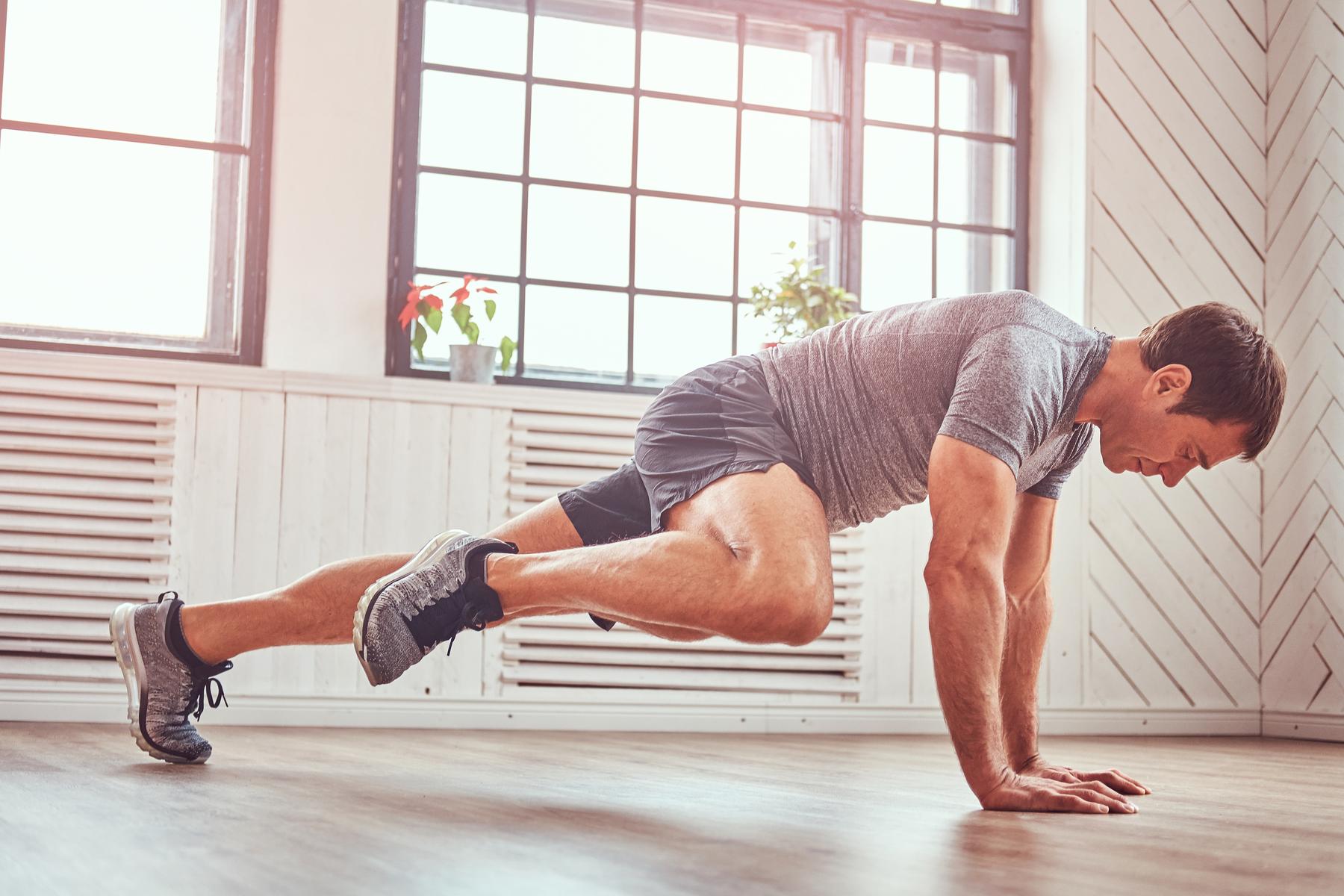
Understanding what doesn’t count as exercise can be just as important as knowing what does. Passive movement, like fidgeting or automatic actions, doesn’t typically qualify as intentional exercise.
These movements lack the purpose and effort needed to achieve the benefits associated with physical activity. Additionally, exercise should never involve sharp pain or pushing through an injury. While discomfort from effort is normal, pain that signals harm is not.
It’s crucial to distinguish between the two to avoid overexertion or worsening an existing condition. Prioritizing safe, intentional movement ensures you reap the benefits of exercise without risking injury or unnecessary strain on your body.
Why Exercise Doesn't Have to Be Hard?
Many people mistakenly believe that exercise must be strenuous to be effective. The truth is that gentle effort is incredibly beneficial, especially for beginners. It helps build confidence, reduces fear of movement, and encourages consistency, which is key to long-term success.
You do not need to push yourself to the limit to see results. Starting slowly and listening to your body is a more sustainable approach. Over time, your body will adapt.
A movement that feels like a light effort today may feel even easier in a month, which is a healthy sign of progression. This allows you to gradually increase intensity without feeling overwhelmed. The goal is to create a positive relationship with exercise, not make it a painful experience.
How Short Sessions Still Count?
One of the most significant barriers to regular exercise is a lack of time.
The Value of Brief Workouts
Contrary to popular belief, exercise sessions do not need to be lengthy to be effective. Even five to ten minutes of intentional movement can offer health benefits.
Benefits of shorter sessions include:
-
Lowering the mental barrier to starting
-
Integrating easily into a busy schedule
-
Increasing the likelihood of repetition
Ultimately, consistency is more important than the duration of a single session.
Accumulating Movement Throughout the Day
Engaging in several short bursts of activity, sometimes called "movement snacks," throughout the day can yield benefits comparable to a single, longer workout.
Examples include:
-
A brief walk in the morning
-
A stretching break in the afternoon
-
Light activity in the evening
All these moments of movement contribute to your overall health and fitness goals.
Why Giving Yourself Credit Matters?
Not acknowledging movement as exercise can undermine motivation. Believing that only intense workouts count may leave you feeling as though you are falling short, even when you are staying active. This mindset can discourage you from maintaining a routine, making it harder to stay consistent over time.
On the other hand, recognizing all forms of movement, no matter how small, can help build confidence and reinforce effort. Celebrating any activity, from a walk to light stretching, encourages consistency and reduces feelings of guilt. By shifting your perspective to value every bit of effort, you can create a more positive relationship with exercise and stay motivated in the long run.
How to Decide If Something Counts as Exercise?
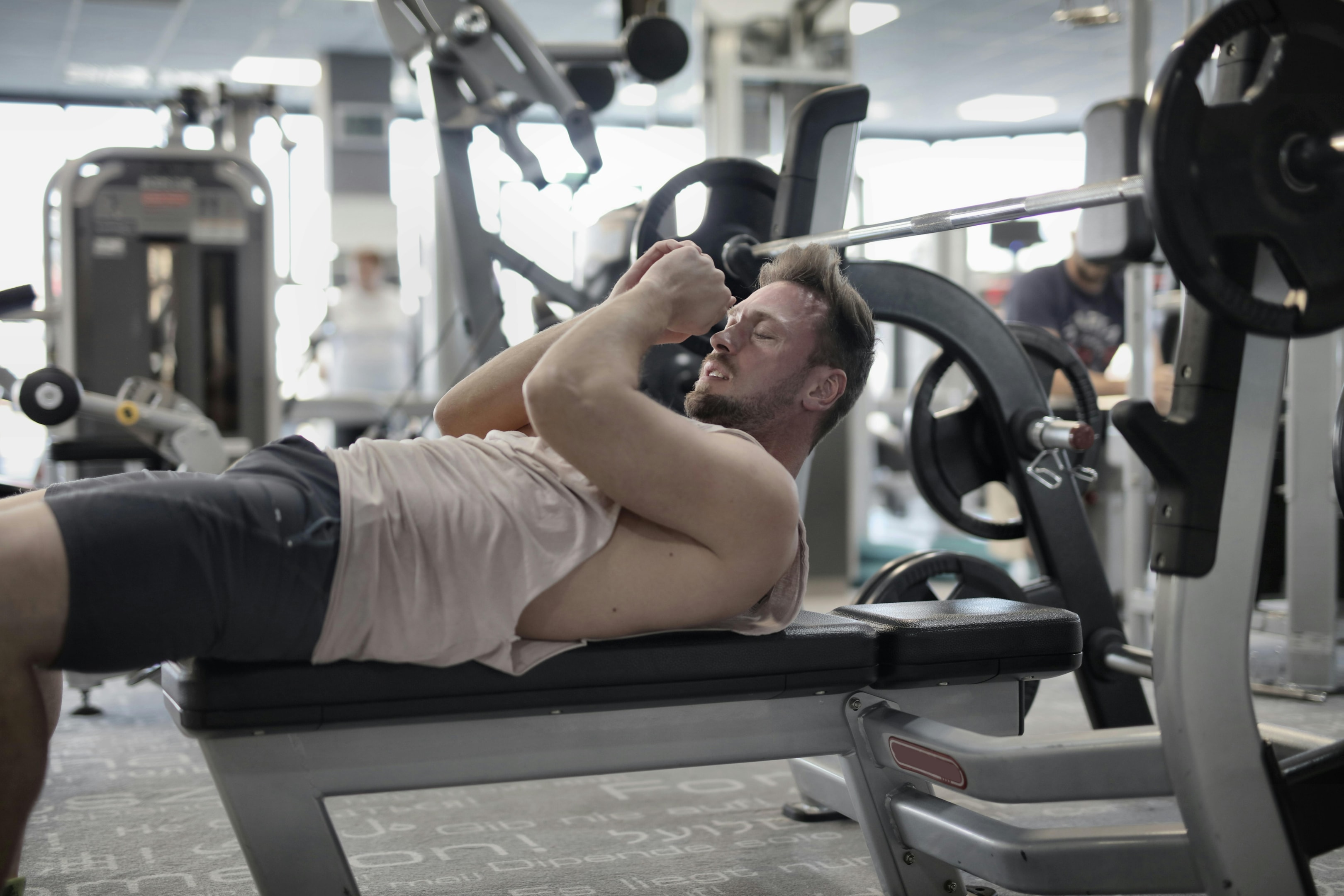
Ask yourself three simple questions to determine whether an activity counts as movement. First, was the movement intentional? Second, did it involve your body physically moving? Finally, did it contribute to your health or overall well-being? If the answer to each question is yes, then it counts as movement.
Movement does not have to look like a structured workout or intense physical activity. It can be as simple as walking to the store, stretching in the morning, or taking the stairs instead of the elevator. The key is to focus on small, intentional actions that support your body and mind. Every bit of movement adds up to a healthier lifestyle.
FAQs
What types of activities actually count as exercise?
Exercise includes any physical activity that improves physical fitness by raising heart rate and engaging major muscle groups. Moderate intensity physical activity such as brisk walking, moderate aerobic activity, or running errands at a faster pace all count. Vigorous activity like swimming laps, biking fast, or sports also qualifies as vigorous aerobic activity.
What is the difference between moderate intensity and vigorous intensity activity?
Moderate intensity activity increases breathing and heart rate but still allows conversation, such as brisk walking. Vigorous intensity physical activity causes rapid breathing and a higher heart rate, including vigorous aerobic activity like running or fast cycling.
Do strength training and muscle work count as exercise?
Yes. Strength training exercises using body weight, resistance bands, weights, or weight machines are muscle strengthening activities. They work skeletal muscles, support bone health, and reduce risk of chronic disease, diabetes, and heart disease.
How much physical activity do adults need each week?
According to guidelines, adults should aim for 150 minutes of moderate intensity or 75 minutes of vigorous intensity per week, plus strength training. Regular physical activity helps manage high blood pressure, supports sleep, and improves long term health.
Conclusion
Understanding what counts as exercise can completely change how you approach movement. Exercise is not limited to intense workouts or long sessions. It includes any intentional movement that supports health, comfort, or energy.
Walking counts. Stretching counts. Short sessions count. Gentle movement counts.
When you stop judging movement based on intensity and start valuing consistency, exercise becomes less intimidating and more sustainable.
The most effective exercise is not the hardest one. It is the one you can keep doing in real life.
Related post
08
Apr
08
Apr
08
Apr
07
Apr
06
Apr


